
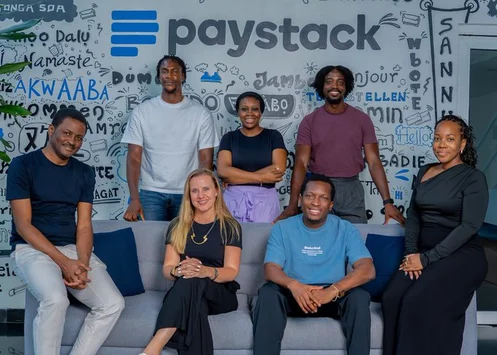
Paystack Builds a Holding Company as It Reinvents Its Future
-
6 minutes, 23 seconds
Paystack Builds a Holding Company to Mark a Defining Shift
Paystack builds a holding company as it marks ten years of rapid growth and signals a clear evolution beyond payments. Many readers searching today want to know whether Paystack is still just a payments platform or something more. The answer is now official. The African fintech has restructured itself into a parent organization designed to oversee multiple businesses across financial services and technology. This move reflects how the company’s ambitions, products, and revenue streams have expanded over time. It also confirms Paystack’s transition into a broader group built for long-term scale.
A Decade of Growth Leads to a New Structure
Over the past ten years, Paystack has grown from a startup focused on helping merchants accept digital payments into a core part of Africa’s digital economy. Millions of businesses now rely on its tools to accept, manage, and move money. As transaction volumes increased and new products emerged, the company found itself operating more like a group than a single product business. Creating a holding company formalizes what had already been happening internally. It provides a clear framework for managing growth while keeping individual teams focused on their missions.
From Payments Platform to Multi-Business Group
Paystack builds a holding company because its activities now stretch far beyond merchant payments. While payments remain a foundational product, the company has quietly expanded into areas such as banking infrastructure, consumer-facing financial tools, and applied technology solutions. Each of these areas comes with different regulatory, operational, and innovation demands. A group structure allows each business unit to move faster without being slowed by unrelated priorities. At the same time, shared values, talent, and long-term strategy remain aligned at the top.
Group Profitability Signals Financial Maturity
Alongside the structural announcement, Paystack confirmed it has reached profitability at the group level. This milestone matters because it shows the company can sustain expansion without relying solely on external funding. Profitability also strengthens trust among merchants, partners, and regulators who depend on long-term stability. For a fintech operating across multiple markets, financial resilience is just as important as innovation. The achievement reinforces Paystack’s position as a mature company entering its next phase with confidence.
An Alphabet-Style Model for African Innovation
The new holding company operates as a parent organization overseeing several independent units. Each business under the group maintains its own leadership, roadmap, and operational focus. This approach mirrors a proven global model that encourages experimentation while reducing risk. If one unit needs to move cautiously, another can still innovate aggressively. For Africa’s fast-changing financial landscape, this flexibility is critical. It allows the group to respond quickly to market needs without constant restructuring.
What the New Group Structure Means Internally
Internally, the shift to a holding company clarifies roles and accountability across teams. Leadership can now focus on strategy, governance, and capital allocation at the group level. Product teams gain more autonomy to build solutions tailored to their audiences. Employees also benefit from clearer career paths across different businesses within the group. Over time, this structure can help attract top talent interested in working on diverse financial and technology challenges under one umbrella.
How Merchants and Users Are Affected
For existing merchants and users, day-to-day experiences are unlikely to change immediately. Payment services continue to operate as before, with the same reliability and support. However, the holding company model makes it easier to introduce new products without disrupting core services. Merchants may eventually gain access to broader tools that connect payments with banking, financing, or data-driven insights. For users, this could mean smoother financial experiences built around real business needs.
A Long-Term Bet on Africa’s Digital Economy
Paystack builds a holding company at a time when Africa’s digital economy is entering a more complex stage. Businesses are demanding more than simple payment acceptance. They want integrated financial systems that support growth, compliance, and cross-border trade. By organizing as a group, Paystack positions itself to meet these demands over the next decade. The move signals confidence not only in its own growth, but in the future of digital commerce across the continent.
Strategy Over Speed
This restructuring is less about rapid expansion and more about sustainable strategy. Paystack is choosing structure, clarity, and resilience over short-term speed. As new businesses emerge under the group, the market will gain a clearer picture of its broader ambitions. For now, one message stands out. Paystack is no longer defining itself by payments alone. It is building a platform for long-term impact across African financial services.



Contact Information





Suggested Writers
-

2.5K articles
-

1.3K articles
-

34 articles
-

28 articles



Comment