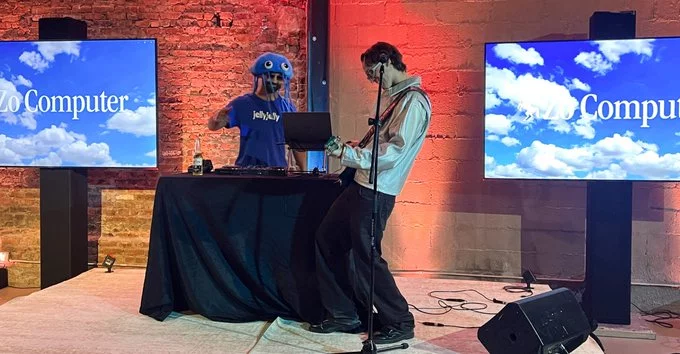
OpenClaw is quickly becoming one of the most talked-about open-source AI platforms in tech circles. At a recent OpenClaw meetup, hundreds of developers, enthusiasts, and industry observers gathered to celebrate the growing movement around open AI tools. The event showcased optimism for a decentralized AI future while highlighting both the opportunities and risks of community-driven AI innovation.
Excitement filled the venue as attendees arrived at the OpenClaw meetup wearing themed accessories, including lobster claw headbands and colorful badges. The gathering was designed to be welcoming and social, rather than a typical developer conference focused solely on technical presentations.
Hundreds of participants attended the event, transforming the space into a lively celebration of open-source innovation. Demo stages, networking areas, and interactive showcases allowed developers and curious newcomers to explore the platform together.
Organizers described the meetup as a place where the OpenClaw community could connect and share ideas about the future of AI. Rather than a formal industry gathering, the event emphasized collaboration, experimentation, and grassroots enthusiasm for building AI tools outside large corporate ecosystems.
OpenClaw has rapidly gained popularity since its release in late 2025. The platform offers an open-source AI assistant framework designed to give developers greater freedom to build and customize AI agents.
Supporters view OpenClaw as a powerful alternative to AI services controlled by large technology companies. By allowing anyone to access and modify the system, the project encourages transparency and innovation across the AI development community.
Developers attending the meetup frequently discussed the desire for AI tools that are not locked behind corporate platforms or expensive APIs. OpenClaw represents a shift toward community-owned AI infrastructure where experimentation happens faster and more openly.
This vision has resonated strongly with programmers, researchers, and startups searching for ways to build AI tools without relying entirely on major tech providers.
The enthusiasm surrounding the OpenClaw meetup reflects a broader trend in the AI industry: a push toward open-source alternatives.
Many developers believe that open ecosystems create healthier technological progress. When AI systems are open and modifiable, researchers can inspect how they work, identify weaknesses, and improve safety practices.
OpenClaw supporters argue that community-driven tools can balance the power currently concentrated in a handful of AI companies. Instead of a small group shaping how AI evolves, open-source projects allow thousands of contributors to participate in shaping the technology’s future.
Events like this meetup highlight how passionate that community has become. For many participants, OpenClaw is more than just a software tool—it represents a philosophy about how AI should develop.
Despite the excitement, OpenClaw is not without controversy. Because the platform allows deep customization and automation, some experts warn it could introduce serious security risks if used improperly.
Open AI assistants can potentially interact with systems, process sensitive data, and execute tasks autonomously. When such capabilities are available in open environments, vulnerabilities may appear if safeguards are not carefully implemented.
Developers at the meetup acknowledged these concerns but emphasized responsible use and ongoing improvement. Many contributors are actively working to strengthen security practices and share guidelines for safe deployment.
Balancing openness with safety remains one of the biggest challenges for projects like OpenClaw. The community recognizes that widespread adoption will require both innovation and careful oversight.
Perhaps the most powerful takeaway from the OpenClaw meetup was the sense of grassroots momentum. Attendees frequently spoke about reclaiming creativity and control in the AI development landscape.
For years, cutting-edge AI capabilities have largely been controlled by large organizations with massive computing resources. OpenClaw supporters believe community-driven tools can help level that playing field.
Meetups across multiple global cities show that interest in the project is spreading quickly. Each gathering brings new contributors, ideas, and experiments that push the platform further.
Optimism remains strong among participants who see OpenClaw as a symbol of a more open technological future. While challenges remain, the energy behind the movement suggests that open-source AI communities will continue playing a growing role in shaping the next generation of intelligent tools.
Access our platform effortlessly on-the-go through our user-friendly mobile apps.






Comment