
Alerts
-
5 minutes, 37 seconds
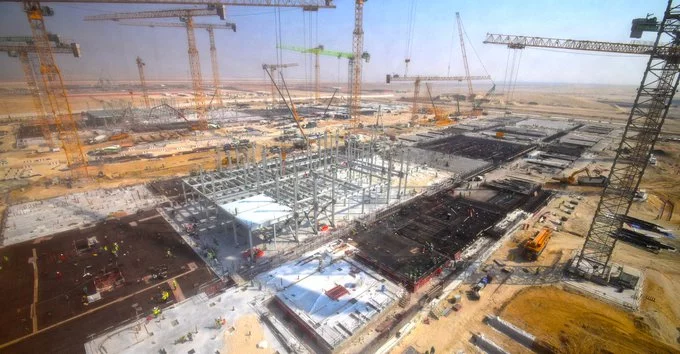
Tensions surrounding the OpenAI Stargate project have intensified after Iran issued a warning about a potential strike on a planned data center in Abu Dhabi. The threat, reportedly linked to escalating geopolitical friction with the United States, has sparked widespread concern across the tech and security sectors. As artificial intelligence infrastructure becomes more critical, questions are emerging about how vulnerable these facilities are to international conflict.
The warning came through a video attributed to Iran’s Islamic Revolutionary Guard Corps, suggesting retaliation if U.S. actions target Iranian power facilities. While no immediate attack appears imminent, the message signals a growing intersection between global politics and AI infrastructure. For tech companies and governments alike, this development highlights a new layer of risk in the AI race.
The OpenAI Stargate initiative represents a major step forward in building large-scale AI infrastructure in the Middle East. Designed to support advanced computing needs, the data center is expected to play a key role in powering next-generation AI systems. Its strategic location in Abu Dhabi positions it as a hub for regional innovation and global collaboration.
Massive data centers like Stargate are essential for training and running complex AI models. They require enormous amounts of energy, advanced cooling systems, and robust cybersecurity measures. As a result, they are increasingly seen not just as tech assets, but as critical infrastructure with national and international importance.
This growing significance also makes them potential targets in geopolitical conflicts. The Stargate project, therefore, sits at the crossroads of technological progress and global security dynamics.
Iran’s threat underscores how artificial intelligence infrastructure is becoming entangled in geopolitical rivalries. Traditionally, conflicts have centered on military bases, energy resources, and transportation networks. Now, data centers are emerging as strategic assets that could influence global power balances.
The warning appears to be conditional, tied to potential U.S. actions against Iranian power plants. This linkage suggests a broader strategy where technological infrastructure becomes part of deterrence and retaliation frameworks. It also reflects how nations are increasingly aware of the strategic value of AI capabilities.
For observers, this marks a shift in how conflicts may unfold in the future. Instead of purely physical or economic targets, digital and computational infrastructure could become focal points in international disputes.
The situation highlights growing concerns about the physical and cyber security of data centers worldwide. Facilities like the Stargate project are designed with multiple layers of protection, including surveillance, restricted access, and advanced defense systems. However, the possibility of state-level threats introduces challenges that go beyond standard security measures.
Companies investing in AI infrastructure must now consider geopolitical risk as a core part of their planning. This includes assessing location vulnerabilities, strengthening partnerships with local governments, and preparing contingency strategies. The stakes are particularly high for projects in regions with complex political dynamics.
At the same time, governments may begin to treat data centers as critical national assets requiring additional protection. This could lead to new regulations, security protocols, and international cooperation efforts aimed at safeguarding AI infrastructure.
The OpenAI Stargate threat could influence how and where future AI infrastructure is built. Companies may become more cautious about investing in regions with heightened geopolitical risks, even if those regions offer strategic advantages. This could reshape the global map of AI development over the coming years.
Despite the risks, demand for AI computing power continues to grow rapidly. Organizations across industries rely on these systems for innovation, efficiency, and competitiveness. As a result, the expansion of data centers is unlikely to slow down, but it may become more strategically calculated.
Ultimately, this development serves as a reminder that technological progress does not exist in isolation. As AI becomes more deeply integrated into global systems, it will increasingly intersect with politics, security, and international relations—bringing both opportunities and new challenges.










Comment