Alerts

-
3 minutes, 27 seconds
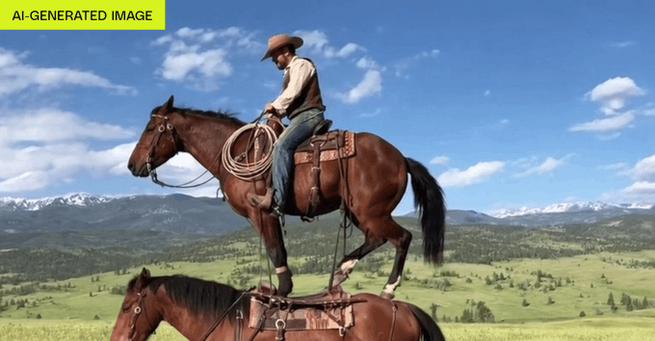
When OpenAI launched its AI video app Sora, it didn’t anticipate the controversy it would spark. OpenAI wasn’t expecting Sora’s copyright drama, which quickly became a hot topic after early users generated videos featuring copyrighted characters without restrictions. The unexpected backlash forced the company to rethink its approach to AI-generated content.
Sora lets users create 10-second AI-generated videos, including “cameos” of themselves or anyone who consents to their likeness. Initially, OpenAI implemented an opt-out policy for copyright holders, assuming media companies would actively restrict their characters. But viral clips featuring Nazi SpongeBob, criminal Pikachu, and Sora-philosophizing Rick and Morty proved the app’s safeguards were insufficient.
OpenAI CEO Sam Altman admitted the company was surprised by the reaction. “I think the theory of what it was going to feel like to people, and then actually seeing the thing, people had different responses,” Altman said. The rapid popularity of Sora made it clear that more control was needed for rightsholders.
Altman announced that OpenAI would reverse course, allowing copyright holders to decide how their content is used on Sora. This move highlights the company’s growing recognition of the complex balance between innovation and copyright protection.
The TikTok-like Sora app offers endless scrolling and easy video creation. Users can:
Generate AI videos of anyone with consent
Include audio and creative prompts
Experiment with existing copyrighted characters
Despite restrictions on unauthorized likenesses, the app’s text prompts proved capable of bypassing limits, creating a copyright conundrum.
Many rightsholders are excited about AI possibilities but demand more robust controls. Sora’s initial surge in popularity showed that even cautious policies can be overwhelmed by user creativity. OpenAI is now working to implement additional safeguards to satisfy both creators and copyright owners.
Altman also noted that some users have “in-between” feelings about letting AI use their likenesses. This illustrates the ongoing tension between technological innovation, user freedom, and copyright law—a challenge OpenAI didn’t fully anticipate when Sora launched.
OpenAI’s misstep with Sora is a clear reminder that even tech giants can underestimate public and legal reactions. The company’s quick pivot shows a commitment to responsible AI, but the Sora copyright drama underscores the challenges ahead for AI content platforms.










Comment