
Alerts
-
3 minutes, 23 seconds
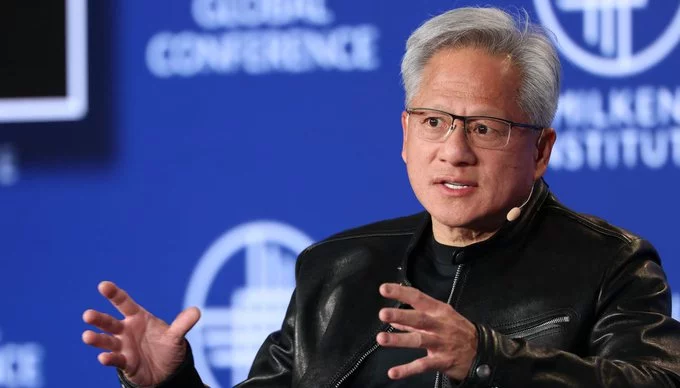
Nvidia is establishing a political action committee (PAC) to channel employee contributions toward influencing U.S. policy in the company’s favor. The move, reported by Bloomberg, marks a strategic shift for the chipmaker, which has historically avoided direct political spending. The PAC will be funded exclusively by voluntary donations from Nvidia employees, not corporate treasury funds.
According to the source, the committee aims to “advocate for policies that support innovation and economic growth” while engaging with lawmakers on issues central to the semiconductor industry. Nvidia’s decision comes amid heightened government scrutiny of AI chip exports and federal investment in domestic manufacturing. By pooling employee resources, the PAC gives Nvidia a more organized voice in Washington, though it remains separate from the company’s official lobbying arm. The formation underscores how Nvidia is adapting its political strategy as its market influence expands.
The PAC’s core objective is to shape U.S. policy in Nvidia’s favor, with a particular emphasis on AI and technology regulations. This strategic focus comes as the company navigates a complex landscape of export controls and domestic AI oversight. By engaging directly in the political process, Nvidia aims to influence lawmakers on issues that directly impact its dominant position in the AI chip market.
The committee is designed to support candidates who align with Nvidia’s views on technology policy, especially those who understand the economic importance of AI innovation and the need for balanced regulation. While the PAC will engage on a range of tech issues, its primary lens is ensuring that U.S. rules do not hinder Nvidia’s ability to compete globally. This includes advocating for clear, predictable frameworks for AI development and deployment, as well as pushing back against overly restrictive measures that could stifle the industry’s growth and the company’s leadership in it.
The PAC will be funded exclusively by voluntary employee contributions, ensuring that no corporate funds are used for political activities. This structure keeps the committee distinct from Nvidia’s business operations while allowing employees to pool resources for political engagement.
Management of the PAC will be handled by a dedicated committee, which will oversee contribution decisions and compliance with federal election laws. The committee is responsible for allocating funds to candidates and causes that align with the interests of its employee members, as outlined in the PAC’s governing rules.
By relying on employee donations rather than company money, the PAC maintains a clear separation between individual political expression and corporate policy. This approach also ensures transparency, as all contributions and expenditures will be reported in accordance with regulatory requirements. The committee’s structure is designed to reflect the priorities of the employees who choose to participate, making it a grassroots-driven vehicle within Nvidia’s broader advocacy efforts.
This move comes as Nvidia faces regulatory scrutiny and aims to maintain its competitive edge in AI. The establishment of the PAC allows the company to formalize its political engagement at a time when antitrust reviews and export control debates directly impact its core business. By pooling resources from executives and employees, Nvidia gains a more structured channel to support candidates who align with its interests on AI policy, chip manufacturing, and trade regulations. This is a strategic shift from relying on individual donations to a coordinated effort that amplifies its voice in Washington. The implications are significant: as AI becomes a central policy issue, Nvidia’s PAC positions it alongside other major tech firms that already wield substantial political influence. However, this also invites greater public and regulatory attention to its lobbying activities, potentially intensifying the very scrutiny it seeks to manage. The PAC is not merely a defensive measure; it is a proactive tool to shape the legislative environment for AI development and maintain leadership in a fiercely competitive market. For Nvidia, political capital is now as critical as technological innovation.








Comment