
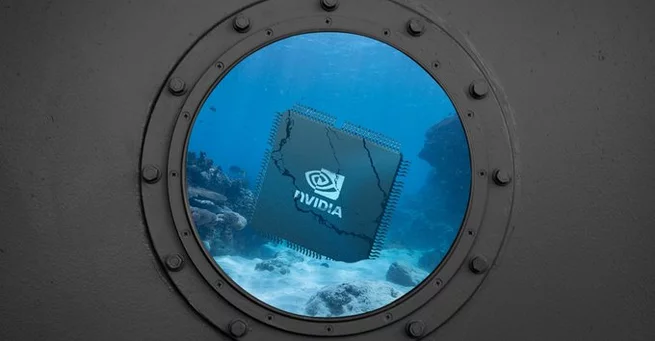
Nvidia’s dominance in AI chips has fueled an unprecedented data center expansion, but growing financial risks are beginning to surface. Many readers are asking how Nvidia became so central to AI infrastructure, why its chips are now being used as loan collateral, and whether this model is sustainable. At the heart of the issue is a rapidly expanding ecosystem built on Nvidia GPUs and borrowed capital. As demand for AI computing explodes, lenders and cloud startups are leaning heavily on Nvidia hardware to finance growth. That strategy has boosted short-term revenue across the sector. However, it also raises concerns about long-term stability if market conditions change. The AI boom may be thriving, but its foundations are increasingly complex.
Nvidia has quietly built a circular financial ecosystem around its own products. The company invests heavily in AI startups, particularly “neocloud” providers focused on data centers. Those same companies then borrow large sums of money to buy Nvidia chips. In many cases, the GPUs themselves are used as collateral for the loans. This structure can effectively turn a single dollar of Nvidia investment into several dollars’ worth of chip purchases. From a revenue perspective, the system works brilliantly for Nvidia. Yet critics argue it concentrates risk within a narrow slice of the AI economy. If demand slows, the entire loop could tighten quickly.
GPU-backed loans have become a defining feature of today’s AI infrastructure race. Companies like CoreWeave exemplify this trend, using debt to scale massive data centers packed with Nvidia hardware. Lenders are willing to accept GPUs as collateral because demand for AI chips remains extremely high. Supporters say this reflects confidence in long-term AI growth. Skeptics, however, warn that hardware depreciates faster than many financial models assume. If chip values drop unexpectedly, loan structures could weaken. The success of AI data centers now depends as much on financial engineering as on technical innovation.
One overlooked consequence of GPU-backed lending is Nvidia’s incentive structure. Because so many loans rely on Nvidia chips as collateral, the company has a vested interest in keeping the ecosystem afloat. Any major disruption could ripple across lenders, startups, and chip buyers simultaneously. This dynamic may encourage Nvidia to support struggling partners longer than usual. While that stability can be beneficial in the short term, it also increases systemic risk. If Nvidia ever faces its own downturn, the effects could cascade quickly. The interconnected nature of the market leaves little room for isolated failures.
The biggest concern is what happens if Nvidia’s growth slows or demand for AI chips cools. A disruption in Nvidia’s business would not stay contained within one company. Data centers, lenders, and AI startups all depend on the continued value of Nvidia hardware. Falling chip prices could undermine loan collateral overnight. That scenario would pressure companies already operating on thin margins. Investors and policymakers are beginning to watch these risks more closely. The AI boom’s resilience may be tested sooner than expected.
The implications extend far beyond Nvidia itself. AI infrastructure underpins cloud computing, enterprise software, and consumer applications worldwide. A financial shock in the chip-backed lending market could slow AI deployment across industries. Communities hosting data centers are already pushing back on unchecked expansion. At the same time, regulators are paying closer attention to AI’s economic footprint. The question is no longer whether AI will grow, but how safely it can scale. Nvidia sits at the center of that answer.
For now, confidence remains high and capital continues to flow. Nvidia chips are still the gold standard for AI workloads, and demand shows no immediate signs of collapse. Yet the reliance on debt-backed hardware introduces fragility into an otherwise powerful growth story. History shows that technology booms built on easy credit can shift quickly. The AI revolution is real, but its financial scaffolding deserves scrutiny. Nvidia’s empire looks strong today. Whether it can withstand a sudden change in sentiment remains the open question.
Nvidia Chip Boom Faces a Silent Financial Ris... 0 0 0 4 2
2 photos

𝗦𝗲𝗺𝗮𝘀𝗼𝗰𝗶𝗮𝗹 𝗶𝘀 𝘄𝗵𝗲𝗿𝗲 𝗽𝗲𝗼𝗽𝗹𝗲 𝗰𝗼𝗻𝗻𝗲𝗰𝘁, 𝗴𝗿𝗼𝘄, 𝗮𝗻𝗱 𝗳𝗶𝗻𝗱 𝗼𝗽𝗽𝗼𝗿𝘁𝘂𝗻𝗶𝘁𝗶𝗲𝘀.
From jobs and gigs to communities, events, and real conversations — we bring people and ideas together in one simple, meaningful space.




Comments