Alerts

-
6 minutes, 43 seconds
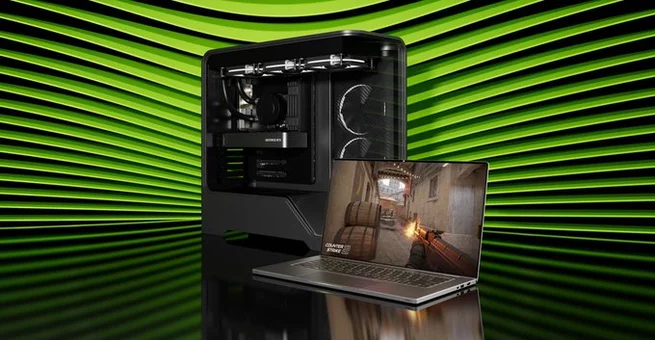
Nvidia Arm laptops are preparing to enter the Windows consumer market, according to multiple credible leaks tied to major PC manufacturers. Readers searching for whether Nvidia is making laptops, when Arm-based Windows PCs are arriving, and which brands will support them can finally connect the dots. These upcoming systems reportedly use Nvidia’s own Arm-based system-on-chip rather than pairing Nvidia graphics with traditional processors. If accurate, this move could mark the biggest challenge yet to long-standing x86 dominance in Windows laptops.
For decades, Intel and AMD have shaped nearly every Windows notebook experience. That balance has already started to crack as Arm chips prove they can deliver long battery life without sacrificing everyday performance. Nvidia now appears ready to push that transformation further, combining its silicon expertise with a full Windows-on-Arm strategy aimed at mainstream users and gamers alike.
Recent leaks point to Nvidia launching two Arm processors, reportedly called N1 and N1X, designed specifically for Windows laptops. These chips are expected to act as full system-on-chip platforms, handling CPU, graphics, and AI workloads under a single design. Instead of supplementing another processor, Nvidia would be fully in control of performance tuning, efficiency, and feature integration.
What makes this particularly interesting is Nvidia’s track record with integrated graphics and AI acceleration. A unified chip could allow smoother gaming at lower power draw while also improving tasks like video rendering, creative workloads, and on-device AI features. For users, that could translate into thinner laptops that stay cool, quiet, and responsive throughout the day.
One major laptop manufacturer appears to be further along than expected. Publicly visible references suggest as many as six Nvidia Arm laptops are already in development, spanning multiple product lines. These include slim everyday notebooks, premium convertible designs, and even a 15-inch gaming-focused machine.
The variety matters. Instead of limiting Arm chips to experimental or low-power devices, Nvidia seems positioned to target the heart of the Windows market. A gaming laptop built around an Arm processor would be especially notable, signaling confidence that software compatibility and performance have reached a viable tipping point.
Additional references to internal software tools further strengthen the case that these systems are real and nearing launch. While official announcements remain absent, the consistency across product names, sizes, and categories points to a coordinated hardware roadmap rather than a one-off prototype.
Lenovo is unlikely to be alone. Industry chatter suggests other major manufacturers are preparing Nvidia Arm laptops as well, including premium consumer models and high-performance gaming brands. Early indications point to at least one gaming-focused design targeting early 2026, potentially aligning with Nvidia’s broader platform rollout.
For gaming enthusiasts, this raises an obvious question: can Arm handle modern PC games? The answer increasingly appears to be yes, especially as Windows compatibility improves and developers optimize for Arm architectures. Nvidia’s deep experience with graphics drivers and game optimization could give these laptops a smoother launch than previous attempts at Arm-based gaming.
This push is not just about laptops. Nvidia is aiming for brand-level recognition inside consumer PCs, similar to how “Intel Inside” once became shorthand for quality and performance. By placing its own processor at the core of Windows laptops, Nvidia gains influence over everything from power efficiency to AI features baked into the operating system.
Arm-based designs also align with where computing is heading. Users increasingly value battery life, instant wake, silent operation, and built-in AI acceleration. Traditional x86 chips have made progress, but Arm architectures were built around efficiency from the start. Nvidia combining Arm with its graphics and AI strengths could result in laptops that feel fundamentally different from today’s norm.
If Nvidia Arm laptops launch as expected, Windows buyers will soon have more meaningful choice than ever before. Instead of deciding only between processor brands, shoppers may compare architectures with distinct strengths. Arm-powered systems could appeal to students, creators, and mobile professionals who prioritize battery life, while still offering enough performance for demanding tasks.
There will still be challenges. Software compatibility, legacy applications, and niche gaming titles remain areas to watch closely. However, momentum is clearly shifting, and Nvidia’s involvement adds credibility that earlier Arm efforts sometimes lacked.
As launch windows approach, expect more leaks, benchmarks, and official confirmations. What already seems clear is that Nvidia Arm laptops are no longer a theoretical idea. They are shaping up to be a real, competitive force that could redefine what a Windows laptop looks and feels like over the next few years.










Comment