
-
5 minutes, 1 second
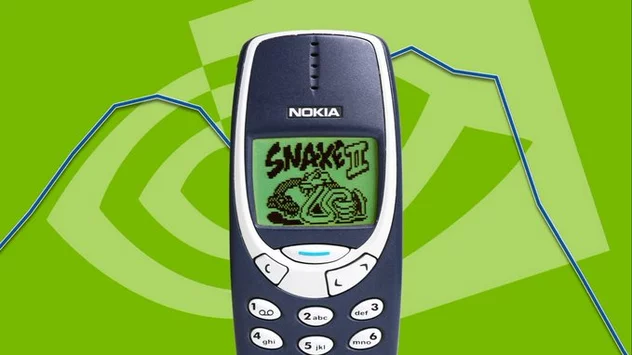
Nokia’s journey from smartphone dominance to near irrelevance often raises one key question: how did a company once beaten by the iPhone land a $1 billion Nvidia deal? The answer lies in reinvention, timing, and a sharp pivot toward AI infrastructure. Once synonymous with mobile phones, Nokia is now a major player in telecom networks and data infrastructure. The Nvidia partnership places Nokia at the center of the AI data center boom. It also signals how legacy tech firms can still win in next-generation markets. For investors and industry watchers, this deal explains why Nokia is back in serious conversations. The story is less about phones and more about foresight. Nokia’s comeback did not happen overnight.
After losing the smartphone war to Apple and Android, Nokia faced years of restructuring and uncertainty. Selling its handset business to Microsoft marked the end of an era but opened space for reinvention. The company doubled down on network infrastructure, 5G, and enterprise solutions. These moves were not flashy, but they were strategic. Nokia invested heavily in software-driven networks and cloud-based systems. That groundwork positioned it well for the AI era. Instead of chasing consumers, Nokia focused on powering the systems behind the scenes. This shift proved critical when AI demand exploded.
The Nvidia partnership is not accidental; it is built on complementary strengths. Nvidia dominates AI computing with GPUs that power modern data centers. Nokia brings advanced networking, data transport, and telecom-grade reliability. AI workloads require ultra-fast, low-latency networks to move massive volumes of data. Nokia’s technology helps remove bottlenecks between AI chips and data centers. This makes AI systems faster, more scalable, and more energy-efficient. Nvidia needed a partner that understands carrier-grade infrastructure. Nokia fit that role perfectly.
The $1 billion agreement focuses on AI-ready networking for data centers and cloud providers. Nokia will supply advanced networking hardware and software optimized for Nvidia-powered AI systems. This includes high-speed switches, optical networks, and automation tools. The deal spans multiple years, providing Nokia with stable, long-term revenue. It also strengthens Nokia’s credibility in the AI infrastructure market. For Nvidia, the partnership ensures its AI platforms scale efficiently worldwide. For Nokia, it validates years of quiet transformation. The deal is as strategic as it is financial.
This Nvidia deal reshapes how the market views Nokia’s future. No longer seen as a fallen phone maker, Nokia is now positioned as an AI infrastructure enabler. The company gains access to fast-growing AI data center investments globally. It also benefits from Nvidia’s influence across cloud providers and enterprises. Analysts see this as a turning point for Nokia’s valuation narrative. Growth is now tied to AI expansion rather than declining telecom cycles. The partnership could open doors to similar deals with other AI leaders. Momentum matters, and Nokia now has it.
Nokia’s story offers a broader lesson for legacy tech companies. Innovation does not always mean inventing something new; sometimes it means repositioning strengths. Nokia leveraged decades of networking expertise rather than chasing consumer trends. It invested patiently while the market overlooked it. When AI demand surged, Nokia was ready. The Nvidia deal proves that strategic persistence pays off. It also shows that losing one tech war does not end the game. In the AI era, Nokia is no longer a cautionary tale—it is a case study in comeback.

2.5K articles

1.4K articles

34 articles

28 articles













Comment