
-
2 minutes, 33 seconds
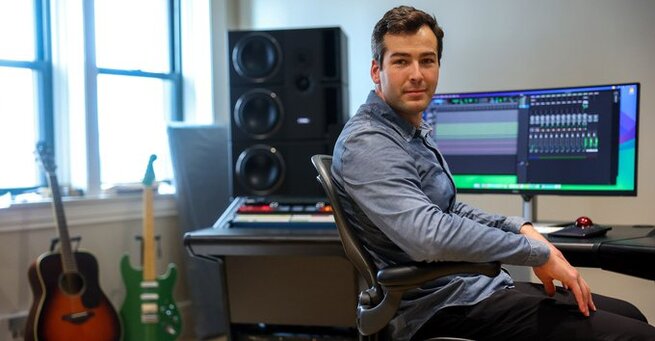
AI music tools have exploded in popularity, but many people wonder: does typing a prompt count as real music creation? The simple answer is no. While AI can generate beats, melodies, and full tracks in seconds, the process is more about automation than artistry. Typing commands into a system may produce sound, but it lacks the hands-on, expressive engagement that defines active music-making.
When a musician plays an instrument, experiments with rhythms, or improvises a melody, they’re engaging with music physically and emotionally. Typing an AI prompt is more like ordering a pre-made meal—it’s convenient, but you’re not cooking. The creativity comes from the programmer or the AI model, not the person pressing keys. This distinction matters for anyone claiming they’re “actively” making music with AI.
AI tools can produce music fast, but they can’t replicate human intuition, emotion, or improvisation. Musicians interpret, feel, and react in real-time—something AI cannot genuinely do. While AI may be a helpful assistant or inspiration, it shouldn’t be mistaken for active music-making. Labels and critics argue that relying solely on AI prompts diminishes artistry rather than elevating it.
AI prompts can complement creativity, offering ideas or rough drafts, but they’re not a replacement for true musicianship. Think of AI as a co-writer rather than the lead performer. For serious music creation, active engagement—playing, singing, producing—is still essential. Typing commands into a system doesn’t replace practice, skill, or emotional input, which remain the heart of music.

2.6K articles

1.4K articles

34 articles

28 articles












Comment