
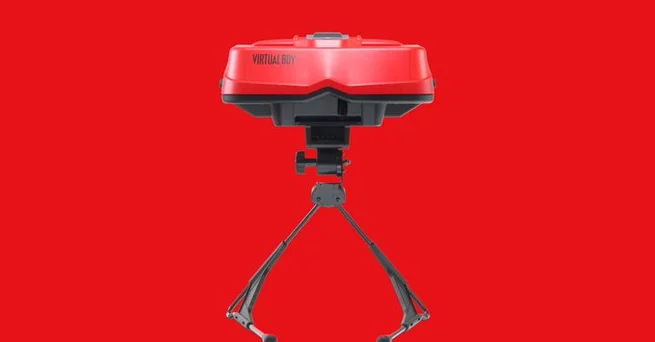
Nintendo Virtual Boy Makes a Surprising Comeback
Nintendo Virtual Boy is back, reimagined as a modern Switch peripheral, and naturally fans are asking the same questions: What is it, how does it work, and is it actually fun to use in 2026? Designed to play classic Virtual Boy titles through a headset-style stand, the $100 accessory leans heavily on nostalgia. While the hardware itself is impressive, the overall experience raises doubts about whether this revival delivers more than a history lesson.
A Notorious Console Reborn as a Switch Peripheral
Nintendo Virtual Boy has long been remembered as one of the company’s boldest missteps. The original system struggled commercially and critically, yet its failure became part of its mystique over time. Collectors and hobbyists kept its memory alive through emulation and experimental projects, even as Nintendo largely avoided talking about it publicly. That silence gradually softened as the company began slipping playful references into modern games.
Reintroducing the Virtual Boy as a Switch peripheral feels like Nintendo embracing that legacy instead of running from it. There’s a certain irony in turning its least successful console into an optional add-on for its most successful platform. This move signals confidence, even self-awareness, as Nintendo reframes a past failure as a celebration of experimentation rather than a cautionary tale.
Hardware Design Is Where Nintendo Virtual Boy Shines
From a design standpoint, the new Nintendo Virtual Boy peripheral is undeniably striking. The headset-and-stand combination echoes the original console’s aesthetic while modernizing it with better materials and thoughtful ergonomics. It feels sturdy, polished, and intentionally retro without slipping into gimmick territory. Setting it up with a Switch console is simple, and the device feels purpose-built rather than rushed.
Comfort is another pleasant surprise. Despite its bulky appearance, the headset sits well and doesn’t immediately strain the neck or face during short sessions. Nintendo clearly invested time in making this a premium-feeling object, and it shows. As a display piece alone, the Virtual Boy peripheral succeeds in sparking curiosity and conversation.
Gameplay That Feels Locked in the Past
Unfortunately, Nintendo Virtual Boy’s biggest weakness hasn’t changed: the games themselves. While the titles run smoothly and faithfully recreate the original experience, they remain firmly rooted in outdated design philosophies. Many of these games rely on simple mechanics that feel shallow by modern standards. What once seemed experimental now comes across as repetitive.
There’s historical value here, but limited replay value. Modern players accustomed to deep systems, accessibility options, and flexible controls may struggle to stay engaged. Even longtime fans may find that nostalgia wears off quickly once the novelty fades. The games function more like museum exhibits than living, evolving experiences.
Nostalgia as a Strategy Has Its Limits
Nintendo has built a reputation for successfully repackaging nostalgia, and the Nintendo Virtual Boy revival is clearly part of that strategy. The idea of revisiting a once-mocked console as a premium accessory is clever, even poetic. It positions Nintendo as a company confident enough to laugh at itself while monetizing its own history.
However, nostalgia alone can only go so far. Without enhancements, remixes, or modern twists, these Virtual Boy games feel frozen in time. For $100, many players will expect more than authenticity. They’ll want reasons to keep coming back, not just reasons to remember the past.
Who the Nintendo Virtual Boy Is Really For
This new Nintendo Virtual Boy peripheral seems aimed at a very specific audience. Collectors, Nintendo historians, and longtime fans will likely appreciate the craftsmanship and the symbolism behind its release. For them, owning the device is as much about what it represents as how it plays. It’s a conversation starter and a tribute to risk-taking.
Casual players and younger audiences, however, may find little reason to invest. Without meaningful updates or expanded content, the Virtual Boy struggles to justify itself beyond novelty. It’s not a must-have accessory, and Nintendo doesn’t seem to position it as one.
A Confident Flex That Stops Short
Nintendo Virtual Boy’s return is bold, stylish, and surprisingly self-aware. The hardware is excellent, and the concept is undeniably intriguing. Yet the experience ultimately highlights why the original system failed to resonate in the first place. The games, unchanged and uncompromising, simply don’t hold up in a modern gaming landscape.
As a piece of gaming history brought to life, this revival works. As a compelling reason to spend hours playing, it falls short. Nintendo’s confidence is admirable, but in this case, looking back proves more enjoyable than actually playing forward.










Comment