
Alerts
-
2 minutes, 41 seconds
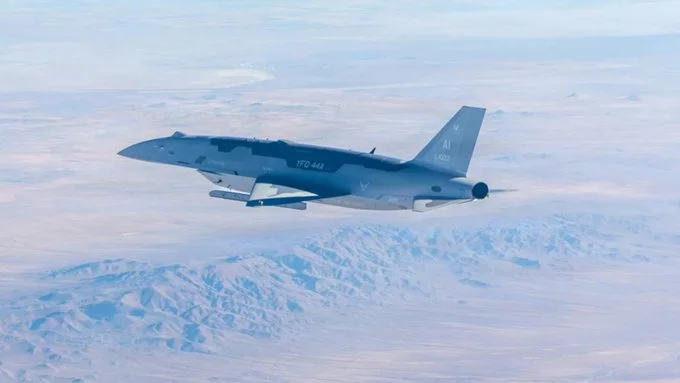
The new CCA aircraft (Collaborative Combat Aircraft) are changing how pilots plan and conduct air missions. These advanced drones work alongside manned fighter jets to improve safety, speed, and effectiveness in the sky. Instead of replacing pilots, CCA aircraft act as smart wingmen that can scout, attack, or defend—all while reducing risk to human life.
CCA aircraft can fly into dangerous areas first. This helps pilots spot threats like enemy radar or missiles before they get too close. For example, a CCA drone can act as a decoy, drawing fire away from the manned jet. This keeps pilots safer and allows them to complete the mission with less risk.
These aircraft collect real-time data from sensors and cameras. They share this information instantly with the pilot in the cockpit. This gives pilots a clearer picture of the battlefield. They can make faster, smarter decisions about when to attack, evade, or retreat.
CCA aircraft can be used for many different tasks. Here are a few examples:
Pilots do not fly each CCA aircraft manually. Instead, they give high-level commands using a tablet or voice controls inside the cockpit. For instance, a pilot might say, "Drone 2, scan the northern sector for threats." The CCA aircraft then uses its own AI to complete the task. This frees the pilot to focus on the bigger mission picture.
One well-known CCA program is the U.S. Air Force's Loyal Wingman. In tests, a single F-35 pilot controlled two CCA drones during a simulated combat mission. The drones flew ahead, identified enemy positions, and even fired missiles when ordered. This allowed the F-35 to stay hidden and safe while still attacking the target.
As CCA aircraft become more common, pilot training will change. New pilots will learn to work with AI teammates, not just other humans. They will practice giving clear, fast commands and trusting the drone's AI to handle details. This shift makes the pilot's job more strategic and less about stick-and-rudder skills.
The new CCA aircraft are not science fiction. They are already reshaping how pilots conduct air missions today. By working with smart drones, pilots can fly safer, smarter, and more effectively. As this technology grows, so will the opportunities for pilots to lead from the cockpit while drones handle the danger. The sky is changing—and CCA aircraft are leading the way.









Comment