Alerts

-
3 minutes, 33 seconds
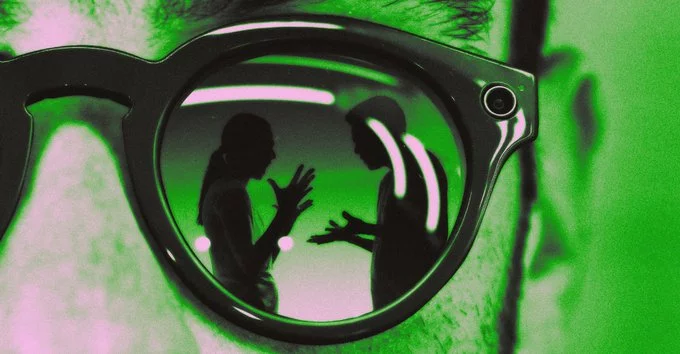
Camera-equipped smart glasses have struggled to shake an unflattering reputation. The devices are frequently dubbed "pervert glasses" because of the ease with which wearers can record people without their knowledge or consent. That nickname has followed the category for years and has shaped public perception of the technology.
The problem is not merely a matter of branding. The concern is practical: a small camera mounted on a wearer's face can capture bystanders, strangers, and colleagues in public or semi-private settings without any obvious signal that recording is taking place. For many people, that possibility feels intrusive rather than innovative.
The reputational damage has real consequences. It creates social friction for anyone seen wearing such glasses, and it makes the devices a harder sell to consumers who might otherwise be interested in hands-free computing. Companies entering the space must reckon with this baggage, since the "pervert glasses" label attaches to the form factor itself, not just to one product or brand. Until that perception shifts, camera-equipped smart glasses will continue to face suspicion from the public.
The privacy backlash against camera-equipped smart glasses has been fierce enough to earn them the nickname "pervert glasses." But a new wave of camera-free frames may sidestep that reputation entirely.
These devices simply omit the camera. Without a lens pointed at the world, there is nothing to secretly record, and nothing for bystanders to fear. The design shift reframes what smart glasses can be: rather than a surveillance tool, the frames become a wearable display and audio device.
The trade-off is capability. Features that depend on capturing images or video are off the table. What remains is the sort of functionality that never required a camera in the first place — notifications, audio, and on-lens information.
For manufacturers, the appeal is straightforward. Dropping the camera removes the single most controversial component, along with the social friction it creates. Wearers can use the glasses in public without the awkwardness of being mistaken for someone filming.
Whether the camera-free approach escapes the stigma attached to earlier models remains to be seen, but it offers a clear path away from the "pervert glasses" label.
The shift toward camera-free frames gained wider attention after The Information reported on the new devices. According to the outlet, these glasses are being positioned as a direct response to the privacy concerns that have dogged earlier smart eyewear.
The report highlighted that the new frames omit cameras entirely, a design decision that sets them apart from the first generation of "pervert glasses." By removing the camera, the manufacturers appear to be addressing the single most controversial feature of their predecessors.
The Information's coverage suggests this is not merely a technical tweak but a strategic repositioning. The outlet noted that the camera-free approach could help the devices avoid the backlash that has followed camera-equipped glasses into public spaces.
The report did not speculate on pricing or a release date, focusing instead on the design philosophy behind the change. For observers of the wearable tech market, the coverage marks an important signal: at least one major player is willing to sacrifice a headline feature in exchange for a less fraught relationship with the public.
For anyone who has felt self-conscious wearing smart glasses in public, camera-free frames could offer a practical escape from an unflattering label. The "pervert glasses" nickname has clung to camera-equipped eyewear because of concerns about covert recording. A version without a camera removes the very feature that fuels those worries.
That shift matters for everyday wearers. If the frames carry no camera, there is no lens to point at strangers, no recording indicator to explain, and no assumption to head off. Wearers may find it easier to move through crowds, sit in cafés, or talk with friends without inviting suspicion.
The appeal is simple: the technology stays useful while the stigma is stripped away. For people who want smart features but dread the social cost, camera-free frames suggest a way to wear the device without the nickname following them. Whether that promise holds depends on how the public reads a device that looks connected but cannot capture anything at all.









Comment