


Netflix Game Studio Goes Indie to Reach More Players
-
6 minutes, 56 seconds
When a Netflix game studio goes indie, it usually signals deeper changes in how games reach players. That’s exactly what happened with Spry Fox, the developer behind cozy hits and the upcoming MMO Spirit Crossing. After three years under Netflix, the studio has bought back its independence. The move answers a simple but crucial question many players are asking: why limit a social game to one subscription when its success depends on community, accessibility, and scale?
Why a Netflix Game Studio Goes Indie After Three Years
Spry Fox joined Netflix in 2022 at a time when subscription-based mobile gaming looked like a natural evolution. The studio already had a strong reputation for warm, approachable puzzle games, and the deal removed pressure around monetization. Without ads or in-app purchases, the team could focus purely on creativity and player experience.
Over time, however, the landscape changed. Netflix’s gaming strategy began shifting away from mobile-first experiments toward experiences designed for living room screens. That pivot left some mobile-focused studios in an awkward position. Even successful projects across the platform faced uncertainty as priorities evolved.
For Spry Fox, independence wasn’t about conflict or failure. It was about alignment. The studio’s ambitions outgrew the boundaries of a subscription-only ecosystem, especially as its next project demanded broader reach.
Spirit Crossing and the Limits of Exclusivity
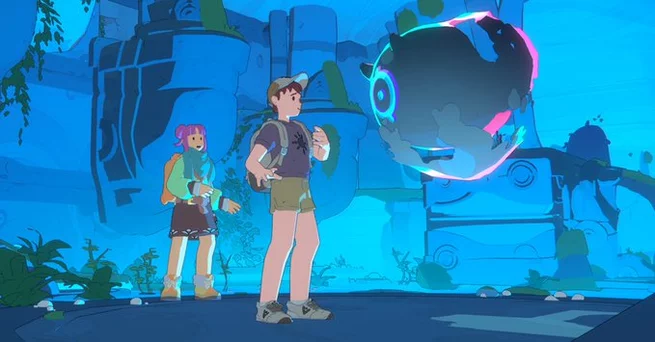
The decision for a Netflix game studio to go indie became unavoidable once Spirit Crossing took shape. Unlike Spry Fox’s earlier titles, this game is built around large-scale multiplayer interaction. At its core, Spirit Crossing is about forming friendships, building communities, and sharing moments in a charming fantasy world.
That vision clashes with exclusivity. Social games thrive when barriers are low and invitations are easy. If players can’t bring friends along because they don’t share the same subscription, growth slows naturally. Community fragments. Momentum fades before it has a chance to build.
For a game centered on togetherness, restricting access created a structural disadvantage. Independence removes that friction and opens the door to organic player-driven expansion.
How Independence Changes the Studio’s Creative Freedom
Ironically, going indie doesn’t mean stepping backward creatively. During its time with Netflix, Spry Fox benefited from financial stability and freedom from aggressive monetization models. That foundation still matters.
Now, the studio combines those lessons with autonomy. Independence allows Spry Fox to choose platforms, distribution models, and release strategies that match player behavior rather than corporate roadmaps. It also enables the team to respond faster to feedback and evolve the game alongside its community.
This hybrid experience—subscription-era stability paired with indie flexibility—puts Spry Fox in a rare and advantageous position.
A Broader Shift in Subscription Gaming Strategy
The story of a Netflix game studio going indie reflects broader changes across the gaming industry. Subscription models work well for solo or narrative-driven experiences, where access matters more than audience size. Social and multiplayer games operate differently. Their value increases as more people join, interact, and create shared stories.
As streaming companies reassess their gaming ambitions, developers are forced to ask tough questions about long-term sustainability. Independence, once seen as risky, is increasingly viewed as a path to resilience.
Spry Fox’s move suggests that not all games belong behind a paywall, especially when connection is the product.
What Players Can Expect Next From Spirit Crossing
For players, the implications are straightforward and exciting. Independence means broader availability, fewer access restrictions, and a healthier multiplayer ecosystem. Friends can join without friction, communities can form naturally, and the world of Spirit Crossing can grow the way it was designed to.
The studio has emphasized that its focus remains unchanged: creating kind, welcoming spaces where players feel connected. Independence simply gives that vision room to breathe.
Why This Move Matters Beyond One Studio
This isn’t just a business update. It’s a signal. When a Netflix game studio goes indie to prioritize players over platforms, it highlights a growing tension between exclusivity and community-driven design.
For developers watching closely, Spry Fox offers a case study in timing and intent. Leaving at the right moment preserved goodwill, protected creative momentum, and positioned the studio for long-term relevance.
For players, it’s a reminder that accessibility matters—and that the healthiest game worlds are the ones open to everyone.
The Road Ahead for Indie Multiplayer Games
As Spirit Crossing moves forward outside subscription walls, it enters a competitive but opportunity-rich space. Independence brings new challenges, from discoverability to sustainable funding. Yet it also unlocks the one thing social games need most: people.
If successful, Spry Fox’s journey could influence how other studios think about partnerships, platforms, and player-first design. In an industry constantly redefining itself, this move feels less like a departure and more like a return to fundamentals.
Sometimes, going indie isn’t about going small. It’s about going where the players are.



Contact Information




Suggested Writers
-

2.5K articles
-

1.3K articles
-

34 articles
-

28 articles



Comment