
Alerts
-
5 minutes, 4 seconds
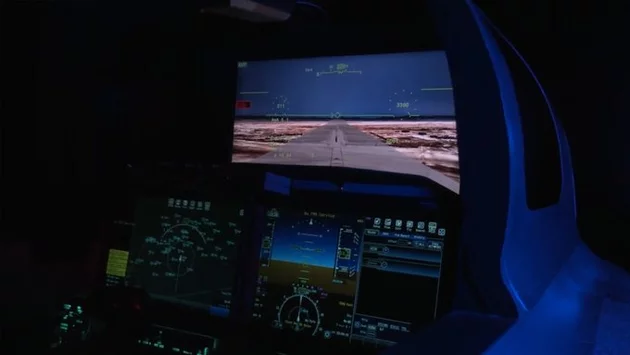
NASA is eyeing CapFrameX, a popular frame rate analysis tool, to measure performance in its cutting-edge cockpit simulators. These simulators are designed to replicate the experience of flying the latest supersonic aircraft and spacecraft, requiring high computational power to run smoothly. Ensuring accurate frame rates is critical, as even minor delays could affect pilot training and system testing. CapFrameX could provide the data NASA needs to verify that its simulators deliver realistic and reliable performance.
This shift from traditional aerospace testing methods highlights how even space agencies are turning to tools originally developed for gaming and PC benchmarking to meet modern simulation demands.
CapFrameX is a well-known tool among gamers and performance enthusiasts. It captures frametime data and analyzes frame rates, allowing users to understand how smoothly software runs under different conditions. It is built on Intel's PresentMon framework and incorporates parts of the Rivatuner Statistics Server interface, making it familiar to those who have used gaming optimization tools.
For NASA, this means the agency can quickly identify performance bottlenecks in its simulators. If the frame rate drops or stutters during high-speed simulations, engineers can pinpoint whether the issue stems from CPU, GPU, or memory limitations. The result: more realistic simulations and safer training environments.
Cockpit simulators are not just about pilot comfort—they are critical for training in complex flight scenarios. Supersonic aircraft and spacecraft maneuvers push both hardware and software to their limits, and a minor frame drop could misrepresent real-world physics. By using CapFrameX, NASA hopes to maintain consistent frame timing, which ensures that flight controls, visual feedback, and instrument readings react exactly as they would in real flight.
Beyond pilot training, these simulators are also used for system testing and mission planning. Any inconsistency in the simulator's performance could compromise data analysis, making tools like CapFrameX essential for validating computational reliability.
The real question is whether NASA’s budget and hardware can support the high performance demanded by next-gen simulators. CapFrameX can identify if the simulators are struggling, but adding extra RAM or upgrading GPUs comes at a cost. NASA’s engineers will need to balance performance, accuracy, and budget constraints to ensure the simulators remain practical for long-term use.
While gaming PCs handle these demands at home, aerospace simulators are far more complex, often requiring multiple high-end GPUs, specialized CPUs, and large RAM arrays. Using a gaming benchmarking tool in this context is unconventional, but it may save time and resources compared to building a custom performance measurement system from scratch.
NASA’s potential adoption of CapFrameX demonstrates how gaming technology continues to influence scientific and engineering fields. What started as a tool to improve gaming experiences is now being considered for supersonic flight and space simulation. This crossover also highlights the increasing importance of accurate frame rate measurement in professional simulations, where precision can have real-world consequences.
By leveraging CapFrameX, NASA could streamline simulator testing, reduce hardware troubleshooting time, and ensure pilots and engineers experience realistic and reliable simulation conditions.
As NASA continues to push the boundaries of aerospace training, tools like CapFrameX may become indispensable. Using gaming-derived technology to measure frame rates in high-end simulators shows the agency’s commitment to precision, innovation, and efficiency. While challenges like hardware limitations and budget constraints remain, CapFrameX offers a practical solution for verifying that NASA’s simulators meet the high standards required for modern supersonic and space missions.










Comment