Motion Sickness App and the Rise of Sound-Based Relief
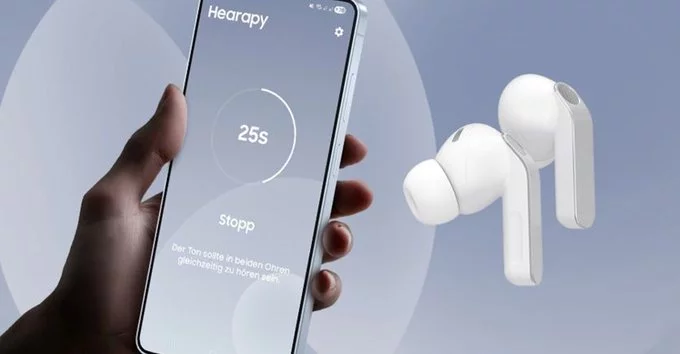
Motion sickness affects millions of people during travel, gaming, and virtual reality use, leading to nausea, dizziness, and discomfort. A new Motion Sickness App concept from Samsung is drawing attention for its unusual approach using sound instead of medication. Reports suggest that listening to a 100Hz sine wave tone for just 60 seconds may help reduce symptoms for up to two hours. Users searching for fast, drug-free relief are increasingly curious about how this technology works and whether it could change motion sickness management in everyday life and digital experiences moving toward non-medical health solutions.
Motion Sickness App Sound Technology Explained
At the center of this Motion Sickness App is a simple but intriguing idea: using low-frequency sound to influence how the brain processes balance signals. The app delivers a 100Hz sine wave tone through standard headphones, requiring no special equipment. According to early findings, exposure for just one minute may help stabilize the vestibular system, which is responsible for spatial orientation. Users experiencing motion sickness during travel or VR sessions may feel reduced nausea and dizziness shortly after listening. The approach is non-invasive and designed for quick relief without medication, making it appealing for frequent travelers and gamers seeking practical solutions. Researchers suggest that the 100Hz frequency may interact with sensory pathways linked to motion perception, potentially helping the brain recalibrate conflicting signals between vision and balance. It remains experimental, but early user feedback highlights promising comfort improvements during short travel or gaming sessions overall in controlled early studies context.
How the 100Hz Tone May Reduce Motion Sickness Symptoms
The idea behind the 100Hz tone is rooted in how the human vestibular system responds to sensory mismatch. Motion sickness often occurs when the brain receives conflicting signals from the eyes, inner ear, and body movement. By introducing a consistent auditory stimulus, the Motion Sickness App aims to reduce this conflict and promote sensory alignment. While not a cure, the effect may provide temporary relief during travel, gaming, or virtual reality use. Experts caution that results can vary widely depending on individual sensitivity. Still, the simplicity of using sound makes the approach accessible and easy to test. Unlike traditional remedies, this method requires no pills or physical intervention, only a short listening session through headphones, which may appeal to tech-savvy users seeking alternatives. Further research is needed to confirm long-term effectiveness across diverse users and real-world conditions consistently over time.
User Experience and the Future of Motion Sickness App Technology
Early reactions to the Motion Sickness App concept suggest strong curiosity among users who frequently experience travel discomfort. Many report interest in trying non-medication solutions that can be used instantly with headphones. The appeal lies in its simplicity: no complex setup, no additional devices, and a short one-minute session. For commuters, gamers, and VR enthusiasts, this could represent a convenient tool for managing symptoms on demand. However, experts emphasize that individual results may vary, and more structured studies are needed before widespread adoption. If validated, this approach could influence how digital health tools address sensory disorders in the future, blending neuroscience with everyday consumer technology in a practical and accessible way. Analysts believe such innovations could redefine how motion sickness is treated in both clinical and consumer environments over the coming years if further validation supports consistent user outcomes globally.
The Motion Sickness App represents a growing interest in non-traditional wellness tools powered by sound-based technology. While still experimental, it highlights how simple audio frequencies may play a role in managing discomfort for travelers and digital users alike. As research continues, the balance between innovation and scientific validation will be crucial. If proven effective, this approach could become a widely adopted option for quick relief, offering a new perspective on how everyday technology supports human well-being.











Comment