For years, digital creators and podcasters were viewed as outsiders challenging traditional media institutions. Today, that narrative is rapidly changing. Millennial creators are increasingly becoming the new media establishment, building platforms that rival legacy companies in reach and influence. As audiences migrate toward creator-led content, advertisers and media companies are following. The result is a generational shift in how information, entertainment, and culture are distributed. What started as independent YouTube channels and podcasts is evolving into a powerful media ecosystem. And in many ways, the creators once labeled disruptors are now building the institutions themselves.
The scale of the creator economy highlights how dramatically the media landscape has shifted. More than 200 million people around the world now identify as content creators, fueling an industry projected to reach nearly $480 billion by 2027. Brands and advertisers are responding to this momentum by investing heavily in creator partnerships. In the United States alone, spending on influencer and creator collaborations is expected to hit $37 billion. That growth rate far outpaces the broader media industry, signaling a long-term structural change. As traditional advertising loses effectiveness with younger audiences, creator-led content is becoming the preferred way brands connect with consumers. This financial shift is reinforcing the power creators now hold in the modern media ecosystem.
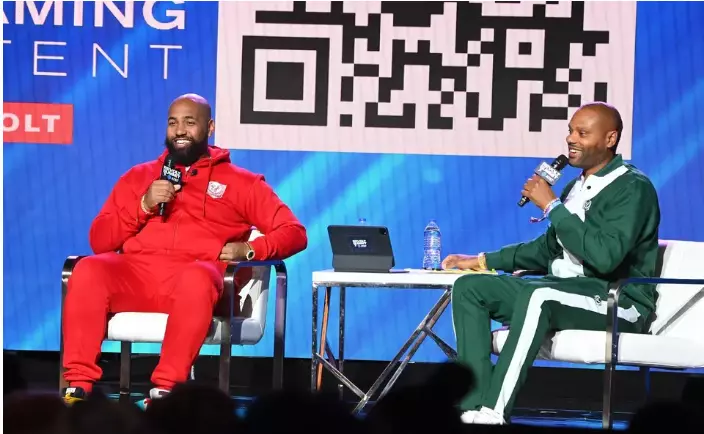
One of the clearest examples of this transformation is the financial literacy podcast Earn Your Leisure, founded by Rashad Bilal and Troy Millings. What started as a simple podcast has expanded into a much larger media and education ecosystem. Today, the brand includes live events, educational programs, book publishing, and strategic brand partnerships. Their bestselling book You Deserve To Be Rich and the popular Invest Fest conference have helped position the platform as a hub for entrepreneurship and wealth-building. The growth illustrates how successful creators are no longer limited to producing content. Instead, they are building multi-platform businesses rooted in community and trust. In many cases, the podcast itself becomes the foundation for an entire media company.
Podcasting continues to accelerate this shift in influence. An estimated 584 million people worldwide now listen to podcasts, and the medium continues to evolve through video formats and social media distribution. What makes podcasting especially powerful is the personal connection creators build with their audiences. Many listeners incorporate podcasts into their daily routines, developing strong relationships with the hosts they follow. This level of engagement mirrors the cultural influence television once had during the era of scheduled programming. When a creator becomes part of someone’s daily or weekly life, that relationship becomes incredibly valuable. Over time, those connections transform content into a powerful platform for business and cultural impact.
Unlike traditional media models built primarily around mass reach, creator-led media thrives on community and trust. Audiences often feel a direct connection to the creators they follow, which makes their recommendations and insights more influential. That trust allows creators to expand into areas far beyond content production. Live events, educational platforms, brand partnerships, and merchandise all become natural extensions of the relationship. For creators like Bilal and Millings, the podcast is not just entertainment—it is infrastructure for a broader business ecosystem. When companies underestimate creators as “just influencers,” they miss the deeper strategic opportunity. In reality, many creators are quietly building long-term media institutions.
Legacy media companies are beginning to recognize the growing power of creator-led platforms. Podcast audiences now rival traditional talk radio in reach, and major streaming companies are increasingly licensing popular creator shows. Platforms are also experimenting with hybrid formats that blend audio, video, and short-form social content. Partnerships between major streaming services and podcast networks highlight how quickly the industry is evolving. Still, many corporate leaders underestimate how audiences now consume information. Increasingly, people discover news, financial advice, and cultural commentary through TikTok videos, YouTube channels, and podcasts rather than traditional newsrooms. This shift represents a fundamental change in how media influence is built.
The next phase of the creator economy goes far beyond content production. Many leading creators are now building educational platforms, conferences, and global business ventures. The Earn Your Leisure founders, for example, are expanding financial literacy programs for high school students and exploring business initiatives across Africa. These moves reflect a broader trend among creators who see their platforms as vehicles for long-term impact. Instead of simply generating attention, they are building institutions that shape culture and knowledge. This distinction marks the difference between influencers and true media builders. Over time, those institutions may rival the legacy organizations that once dominated the industry.
The rise of millennial creators signals a deeper transformation in professional influence and entrepreneurship. Many millennials came of age in a media environment controlled by gatekeepers like television networks, publishers, and radio stations. Today, digital platforms have dramatically lowered those barriers. Creators who mastered early social platforms are now shaping the next generation of media infrastructure. At the same time, economic shifts and corporate layoffs are pushing more professionals toward independent careers. This combination is accelerating the growth of creator-led businesses. The result is a new media establishment forming in real time.
What began as independent podcasts and YouTube channels is rapidly evolving into a network of conferences, schools, publishing platforms, and media brands. As artificial intelligence transforms the information landscape, trust and credibility will become even more valuable assets. Creators who have built loyal communities may hold a powerful advantage in that future. Their influence comes not only from content but from the relationships they have cultivated over time. In that sense, the creator economy is no longer just disrupting traditional media—it is replacing parts of it. The rebels who once challenged the system are now becoming the system itself.
Access our platform effortlessly on-the-go through our user-friendly mobile apps.





Comment