
Project Solara: Microsoft’s New OS for AI Agent Gadgets Explained
-
2 minutes, 14 seconds
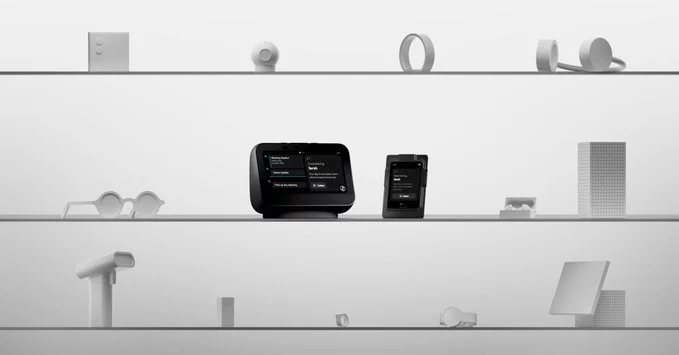
Microsoft’s Project Solara is a new operating system designed specifically for AI agent gadgets. This lightweight OS powers smart devices that can think, learn, and act on their own—like AI assistants, smart home hubs, and autonomous tools. In simple terms, Solara helps these gadgets run AI tasks faster and more efficiently, without needing a full computer or cloud connection.
What Is Project Solara?
Project Solara is Microsoft’s answer to the growing need for AI-ready software on small, portable devices. Unlike traditional operating systems (like Windows or Android), Solara is built from the ground up for AI agent gadgets. It focuses on speed, low power use, and real-time decision-making.
Key Features of Solara
- AI-first design: Solara runs AI models directly on the device, reducing lag and improving privacy.
- Lightweight: It uses very little memory and battery, perfect for wearables and smart sensors.
- Real-time processing: Gadgets can respond instantly to voice, gestures, or environmental changes.
- Seamless cloud sync: While offline-first, Solara can connect to Microsoft Azure for updates or heavy tasks.
Why Does This Matter for AI Gadgets?
Today, many smart gadgets rely on cloud servers to process AI tasks. This causes delays and privacy risks. Solara changes that by letting AI agents run locally. For example, a smart camera can identify objects in real time without sending video to the cloud. This makes gadgets faster, safer, and more reliable.
Examples of Solara-Powered Gadgets
- Smart home assistants: Answer questions and control devices instantly.
- Health wearables: Monitor vitals and alert users without phone connection.
- Autonomous robots: Navigate rooms and avoid obstacles using on-board AI.
How Solara Compares to Other Operating Systems
Unlike Google’s Fuchsia or Amazon’s Alexa OS, Solara is laser-focused on AI agents. It’s not a general-purpose OS—it’s a specialized tool for devices that need to think on their own. That means less bloatware and better performance for AI tasks.
Tips for Developers
If you’re building AI gadgets, consider Solara for its built-in AI libraries and Microsoft’s support. Start with small prototypes on Raspberry Pi-like boards to test its capabilities. Early adopters will benefit from a growing ecosystem and regular updates.
What’s Next for Project Solara?
Microsoft plans to release Solara to hardware partners in late 2025. Expect to see it in smart speakers, industrial sensors, and even toys. As AI agents become more common, Solara could become the go-to OS for intelligent gadgets.
In short: Project Solara is Microsoft’s smart move to make AI gadgets faster, private, and more capable. Whether you’re a developer or a gadget fan, this OS is worth watching.



Contact Information




Suggested Writers
-

2.5K articles
-

1.3K articles
-

34 articles
-

28 articles



Comment