Alerts

-
4 minutes, 47 seconds
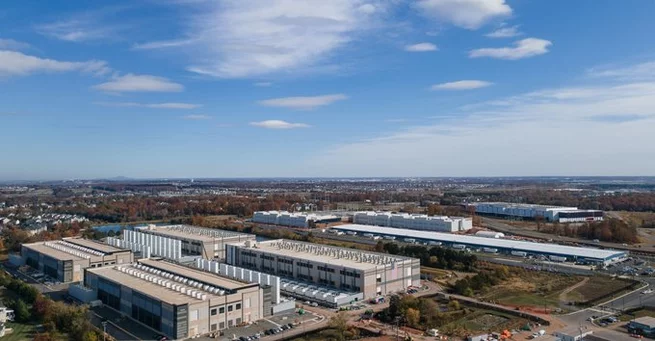
Microsoft is exploring a bold approach to redesigning data centers using high-temperature superconductors (HTS). These advanced materials allow electricity to flow without resistance, which could dramatically reduce energy loss and shrink the physical footprint of data centers. As tech giants face pressure over AI’s massive energy demands and the strain on local power grids, superconducting cables may offer a game-changing solution for both efficiency and sustainability.
Generative AI and cloud computing have made data centers a massive power consumer. Traditional copper wiring in today’s centers can handle electricity efficiently but still loses a notable percentage of energy as heat. Microsoft and other tech companies are under scrutiny for expanding infrastructure in ways that affect local communities, leading to concerns over both energy usage and construction impact.
High-temperature superconductors could ease this pressure. By transmitting electricity with zero resistance, HTS cables cut energy losses, reduce heat generation, and allow for lighter, more compact power infrastructure. This combination could enable smaller, denser data centers that integrate more smoothly into existing neighborhoods.
Most modern energy systems rely on copper wires, which are efficient but limited. Superconducting cables, in contrast, can carry electricity without any resistance once cooled to certain temperatures. While already used in MRI machines and pilot power lines in cities like Paris and Chicago, HTS deployment at scale has been limited due to high costs and technical complexity.
Microsoft’s vision goes beyond individual cables. The company envisions entire data centers built around superconducting technology, potentially reshaping both computing facilities and the electrical grids that feed them. “Microsoft is exploring how this technology could make electrical grids stronger and reduce the impact data centers have on nearby communities,” said Alistair Speirs, GM of Global Infrastructure Marketing at Microsoft.
Switching to superconductors could yield major advantages. Energy lost to heat could drop significantly, lowering electricity costs and carbon footprints. Smaller cables and lighter infrastructure would save physical space, a critical factor as data centers continue to expand globally.
In dense metropolitan areas where space and energy efficiency are premium, HTS could offer a practical solution. Short stretches of superconducting lines have already shown promise in European and U.S. cities, hinting at a broader future where these cables form the backbone of next-gen tech infrastructure.
Despite the promise, obstacles remain. Superconducting cables are still more expensive than copper, and installing them requires careful cooling and monitoring. Scaling these systems to the size of a Microsoft data center will be a complex engineering challenge.
Yet Microsoft’s research signals a commitment to pushing boundaries. If successful, HTS-powered data centers could set new industry standards, making cloud computing faster, greener, and more compact. With AI and cloud services showing no signs of slowing, this could be a vital step toward sustainable technology.
Microsoft’s exploration of superconducting cables illustrates the intersection of cutting-edge physics and practical engineering. While still early in its journey, the company’s approach may redefine how data centers are designed, built, and powered. As the world watches, one thing is clear: the next generation of data centers could be smaller, stronger, and far more efficient than anything today’s tech landscape has seen.










Comment