Alerts

-
5 minutes, 55 seconds
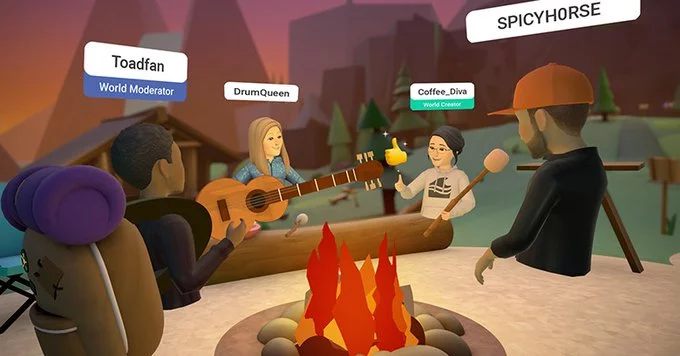
Meta VR metaverse plans have taken another unexpected turn. After signaling a shutdown of VR experiences in Horizon Worlds, Meta Platforms has reversed course and will keep the VR version running “for the foreseeable future.” The decision follows strong user feedback and highlights the company’s evolving strategy around immersive platforms. While VR support remains, the long-term focus is clearly shifting toward mobile and broader digital experiences.
Earlier announcements suggested that Horizon Worlds would phase out its VR component to prioritize mobile growth. That plan sparked concern among loyal users who had invested time building and exploring virtual spaces.
According to Andrew Bosworth, community feedback played a major role in reversing the decision. Meta ultimately chose to keep existing VR worlds accessible to support dedicated users. However, this doesn’t signal a full revival of VR ambitions—it’s more of a compromise between maintaining user trust and reallocating resources.
The move reflects a broader trend in tech: companies adapting quickly when user sentiment pushes back against strategic pivots.
Despite keeping VR alive, Meta’s strategy is increasingly centered on mobile platforms. Internal data shows that most engagement and creator activity already happens outside VR environments.
This shift means fewer updates, fewer new VR experiences, and limited investment in expanding immersive content. Instead, Meta is doubling down on accessibility, aiming to reach users who don’t own VR headsets.
For many, this signals a practical evolution rather than a failure. Mobile platforms offer scale, lower barriers to entry, and stronger monetization opportunities—key drivers for any tech company navigating competitive markets.
Meta’s decision doesn’t happen in isolation. Its VR-focused division, Reality Labs, has faced significant challenges over the past year. Reports of layoffs, studio closures, and reduced content investments point to ongoing financial pressure.
These struggles have forced Meta to rethink how aggressively it pursues virtual reality. While the metaverse vision remains intact, the company appears to be scaling back high-risk bets in favor of more sustainable growth areas.
That said, abandoning VR entirely could damage Meta’s long-term positioning in immersive tech, especially as competitors continue to invest in similar ecosystems.
Meta’s leadership has repeatedly emphasized that the metaverse isn’t limited to VR headsets. Instead, it includes augmented reality, mobile interactions, and digital overlays integrated into everyday life.
This broader definition aligns with how people already engage with technology. Whether it’s scrolling on a smartphone or interacting with digital content in real-world settings, the metaverse is evolving into a hybrid experience.
Bosworth has even suggested that everyday phone use can be considered a form of “digital presence,” reinforcing the idea that immersive experiences don’t require full VR adoption to exist.
For current users, the immediate impact is positive: existing VR worlds remain accessible, and the platform won’t disappear overnight. Creators can continue maintaining their projects, though opportunities for growth in VR may be limited.
However, the lack of new VR content signals a plateau rather than expansion. Creators may need to adapt by focusing on mobile-first experiences or exploring other platforms to stay relevant.
Users should also expect a gradual shift in how features are developed, with more attention given to cross-platform compatibility and ease of access.
Meta VR metaverse survival feels more like a pause than a full comeback. Keeping Horizon Worlds VR alive buys time—time to reassess, refine, and potentially redefine what immersive digital spaces should look like.
At the same time, the company’s pivot toward mobile suggests that VR alone may not be enough to sustain its metaverse ambitions. Success will likely depend on blending multiple technologies into a cohesive experience.
For now, the metaverse isn’t disappearing—it’s simply changing shape. Whether VR regains center stage or becomes just one piece of a larger puzzle remains to be seen.










Comment