
Alerts
-
1 minute, 34 seconds
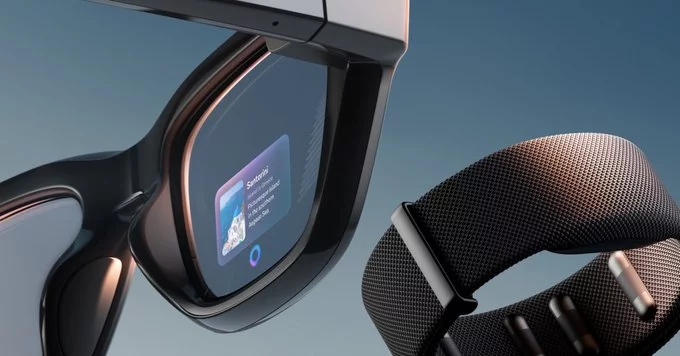
Meta's Ray-Ban smart glasses may soon be able to identify people's faces using artificial intelligence (AI). This new feature would allow the glasses to recognize friends, family, or even strangers and display their names or details directly in the wearer's view. While still in development, this technology raises exciting possibilities and important privacy questions.
The Meta Ray-Ban glasses already have cameras and built-in AI for tasks like taking photos or answering questions. Adding face recognition would use the same camera to scan a person's face, compare it to a database of known images, and then show the person's name or other info on the glasses' display. This could be helpful in social situations, like remembering a colleague's name at a conference.
Of course, facial recognition on wearable devices like the Meta Ray-Ban glasses sparks serious privacy debates. Critics worry about surveillance without consent, data security, and misuse. Meta has not confirmed a release date, but the company is likely working on safeguards, such as requiring opt-in from recognized individuals or limiting data storage.
Tip for users: If you're concerned about privacy, look for settings that let you control when face recognition is active or disable it entirely.
Meta Ray-Ban glasses with AI face recognition could change how we interact with the world. They might become essential tools for networking, education, or security. However, widespread adoption will depend on balancing innovation with user trust. For now, it's a feature to watch closely as technology evolves.









Comment