
-
5 minutes, 1 second
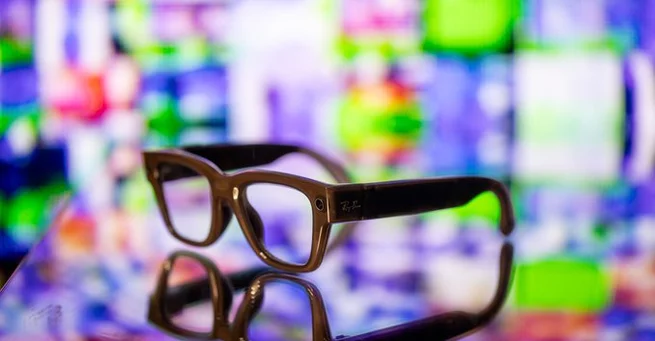
Meta Ray-Ban Display smart glasses will not reach several international markets as soon as expected, answering growing questions about availability, launch timelines, and global demand. Meta has officially paused its early 2026 expansion plans, confirming that customers outside the U.S. will need to wait longer. The decision affects buyers in France, Italy, Canada, and the UK who were expecting a near-term release. According to Meta, the delay is driven by overwhelming demand and supply constraints. Many shoppers are now wondering when the glasses will launch globally and whether prices or features could change. For now, Meta is keeping its focus closer to home.
Meta confirmed the pause in a CES 2026 blog post, explaining that demand has exceeded all internal projections. Since the smart glasses launched last fall, interest has surged far faster than anticipated. As a result, product waitlists in the U.S. are already stretching well into 2026. Limited inventory has made it difficult for Meta to support a wider rollout without impacting current customers. The company says it wants to avoid disappointing early adopters by spreading supply too thin. This cautious approach signals a shift toward stability rather than speed. Meta has not shared revised launch dates for international markets.
Meta describes the response to the Ray-Ban Display glasses as “overwhelming,” a rare admission even for a company used to large-scale launches. The smart glasses combine subtle design with practical display features, helping them stand out in a crowded wearable market. That mix appears to be resonating with everyday users, not just tech enthusiasts. Meta says fulfilling existing U.S. orders is now the top priority. International expansion will resume only after production and logistics catch up. This suggests Meta is reevaluating how it scales hardware products globally. Long-term availability may ultimately be more reliable because of this delay.
Much of the demand stems from positive early reactions and strong reviews. Tech reviewers have praised the Ray-Ban Display glasses for comfort, usability, and thoughtful integration of smart features. One reviewer described them as the best smart glasses they had tested so far, fueling even more interest. Unlike bulky AR headsets, these glasses feel wearable in daily life. That balance between fashion and function has widened their appeal. Word-of-mouth and social media buzz have further amplified demand. Meta may have underestimated just how mainstream-ready the product was.
For buyers in Europe and Canada, the delay is understandably frustrating. Meta has not provided a new target window for international availability. The company says it is “re-evaluating” its approach, which could mean phased launches or expanded production partnerships. While no features are expected to change, supply planning may improve before the next rollout. Customers should expect more updates later in 2026 rather than sooner. Meta appears determined to get the launch right rather than rush it. That patience may pay off in the long run.
The Meta Ray-Ban Display pause highlights a broader challenge facing consumer tech companies in 2026. Even with strong branding and demand, hardware scaling remains difficult. Supply chains, manufacturing capacity, and global logistics continue to shape launch timelines. Meta’s transparency around the delay may help maintain trust with customers. By prioritizing fulfillment over expansion, the company is signaling a more disciplined hardware strategy. While the wait continues for international fans, expectations for the product remain high. When the glasses do arrive globally, demand is unlikely to cool.

2.5K articles

1.4K articles

34 articles

28 articles














Comment