Alerts

-
3 minutes, 41 seconds
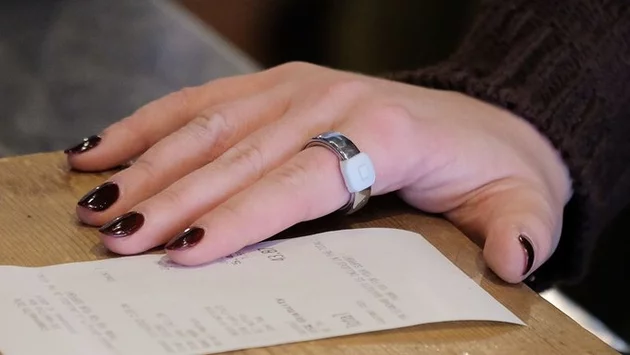
CES 2026 isn’t just about 8K TVs, foldable screens, or the latest smartphones—AI wearables are stealing the spotlight. Forget fitness trackers; the new trend is external brains. These devices promise to store, organize, and recall your thoughts, tasks, and reminders, effectively becoming an extension of your mind. Curious why they’re dominating the show floor? Tech enthusiasts and gadget lovers alike are eager to see how AI can enhance daily life without the need for traditional notebooks or apps.
For many, a pen-and-paper notepad has long served as a second brain. Notes, to-do lists, and scrap ideas all get jotted down in messy but reliable ways. Now, AI wearables aim to take over that role. At CES, these devices are designed to capture and organize information in real time, removing the friction of traditional note-taking. The idea isn’t just convenience—it’s about boosting memory, productivity, and even creativity.
Leading the pack is the Pebble Index O1, a smart ring equipped with a tactile button, microphone, and NFC connectivity. Paired with an open-source AI app on your phone, it allows users to add calendar events, set reminders, and transcribe notes effortlessly. Founder Eric Migicovsky calls it “external memory for the brain,” highlighting the device’s potential to offload everyday cognitive tasks. CES attendees flocked to see it in action, proving the public appetite for AI-assisted memory tools.
These AI wearables rely on advanced language models and cloud synchronization to act as extensions of the mind. Unlike fitness trackers that monitor physical health, external brains capture mental activity: ideas, reminders, and even conversations. Users can interact naturally, dictating notes or pressing a simple button to store information. Over time, the AI adapts, learning user habits and preferences to deliver a seamless memory-boosting experience.
The rise of AI wearables signals more than just productivity enhancements. They’re redefining how people interact with technology daily. Instead of juggling multiple apps or struggling to remember tasks, external brains promise intuitive, always-on assistance. The implications go beyond personal convenience, hinting at broader changes in workplace efficiency, education, and mental wellness.
CES 2026 confirms a shift: wearables are no longer just about tracking steps or monitoring heart rates. AI devices that function as external brains are taking the lead, blending personal memory management with cutting-edge technology. As these products evolve, they could transform the way humans interact with information, making forgetfulness a relic of the past.








Comment