Alerts

-
6 minutes, 42 seconds
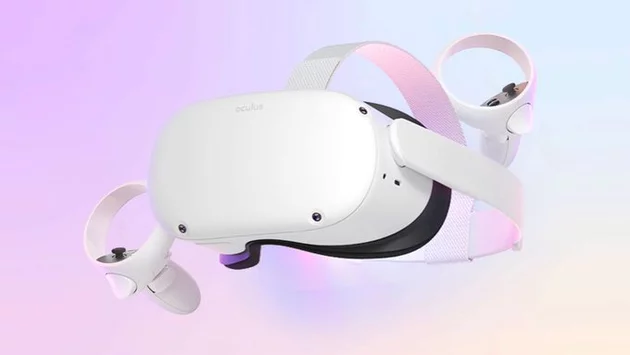
Meta Quest layoffs have reignited a heated debate about the future of virtual reality, leaving many readers asking the same questions: Is VR shrinking, or simply restructuring? Are these cuts strategic or a warning sign? Within hours of the news breaking, industry voices split sharply. While Oculus founder Palmer Luckey insists the situation is “not a disaster,” many developers and creators see the layoffs as another painful signal that VR’s momentum is faltering rather than evolving.
Meta’s decision to shut down multiple first-party VR software studios landed hard across the industry. For developers, these studios represented stability, funding, and long-term commitment to immersive content. Their closure arrives at a moment when VR adoption already feels slower than once promised, making the timing particularly unsettling.
Short-term cost-cutting is common in tech, but VR occupies a more fragile position than mainstream platforms. Unlike mobile or PC ecosystems, virtual reality still relies heavily on confidence, experimentation, and long development cycles. Removing internal teams risks creating gaps that third-party studios may not be ready, or able, to fill immediately.
Palmer Luckey, the original founder behind Oculus, took to social media to frame the Meta Quest layoffs in a more optimistic light. According to him, the move could actually benefit the broader VR ecosystem rather than damage it. He argues that Meta-owned studios, backed by massive budgets, made it nearly impossible for independent developers to compete on a fair playing field.
From his perspective, removing those internal competitors could level the market. Smaller studios might finally have room to succeed without being overshadowed by projects funded far beyond realistic earning potential. It is a viewpoint rooted in long-term market balance rather than short-term pain.
Despite that optimism, the reaction from many creators has been far less hopeful. First-party studios do more than release games. They set quality benchmarks, experiment with risky ideas, and often push hardware adoption by showcasing what is possible. Without them, the burden shifts entirely to external teams that may lack the same resources or security.
There is also a trust issue. Developers invest years into VR projects based on signals from platform owners. Studio closures raise uncomfortable questions about how committed Meta truly is to content creation on Quest devices. For an ecosystem still trying to prove its value to mainstream users, uncertainty can be more damaging than competition.
Context matters, and the broader VR climate amplifies the concern. Hardware sales growth has slowed, consumer excitement feels muted, and many early adopters are waiting for a clear next leap forward. Against that backdrop, layoffs do not feel like strategic refinement. They feel like retreat.
Even if the long-term goal is a healthier marketplace, the short-term message is difficult to ignore. When a platform leader steps back from building its own experiences, it can signal reduced confidence. For developers already weighing whether VR is worth continued investment, that signal carries real weight.
Luckey’s argument highlights a real issue: massive first-party budgets can distort a young market. Yet VR is not mature enough to thrive without strong internal leadership. Unlike traditional gaming platforms, VR still needs guidance, experimentation, and bold flagship experiences to attract new users.
The challenge lies in balancing those two truths. Too much internal dominance stifles competition. Too little support risks stagnation. The Meta Quest layoffs suggest a pivot, but the destination of that pivot remains unclear to many watching from the outside.
In practical terms, the immediate future of VR looks more uncertain than catastrophic. Independent studios may gain breathing room, but they also face higher risks without first-party collaboration. Users may see fewer polished, showcase-style releases in the short term, potentially slowing adoption further.
Longer term, success will depend on whether Meta backs its ecosystem in other ways. That includes fair revenue models, strong developer tools, and consistent platform messaging. Layoffs alone do not define failure or success, but they do reshape expectations.
Calling the Meta Quest layoffs “not a disaster” may be technically accurate, but emotionally it misses the mark for many invested in VR’s growth. Layoffs represent lost talent, abandoned projects, and disrupted careers. Those human costs linger long after strategic justifications are made.
Virtual reality has survived multiple hype cycles before. It may well emerge stronger again. For now, though, optimism feels premature. Until developers and users see clear signs of renewed commitment, the layoffs will continue to feel less like a necessary correction and more like a troubling step backward for an industry still fighting to prove itself.










Comment