
-
7 minutes, 10 seconds
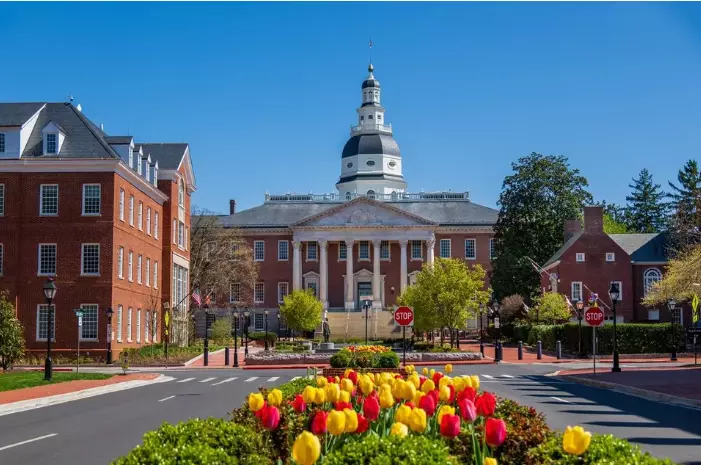
Maryland expungement laws may soon change as lawmakers consider new legislation aimed at expanding how criminal records are cleared. Two bills currently under review could significantly reshape the state’s record-clearing system. One proposal would automatically expunge certain eligible cases, while another would allow courts to clear more convictions when individuals show rehabilitation. The proposals reflect a growing national movement to reduce the long-term impact of criminal records. For job seekers, expungement can open doors to employment and housing opportunities. For employers, the reforms could affect how criminal history appears during background checks.
Maryland already allows certain criminal records to be expunged, but eligibility depends heavily on how a case was resolved. Non-convictions represent the most common category eligible for expungement under current law. Cases that end in dismissals, acquittals, not-guilty verdicts, or certain dropped charges may be cleared after a waiting period. Arrests that never result in charges can also qualify once enough time has passed. However, individuals usually must file a formal petition with the court to begin the process. Waiting periods vary depending on the case outcome, and many eligible records are never cleared because people are unaware of the option. These barriers have fueled calls for automated record-clearing systems.
Across the United States, lawmakers are increasingly adopting “Clean Slate” laws designed to make expungement easier. These policies shift the responsibility for clearing records from individuals to the government. Instead of requiring people to file paperwork, courts or state agencies automatically identify eligible cases and remove them from public view. Several states have already implemented versions of these laws, including California, Colorado, New York, and Pennsylvania. Supporters argue that automated systems ensure eligible records are actually cleared. Critics, however, emphasize the need for careful oversight and public safety considerations. Maryland’s new proposals mirror this national policy debate.
One proposal under consideration in the Maryland General Assembly is Senate Bill 483. The bill would require state agencies to automatically identify and expunge criminal records that already qualify under current law. Instead of waiting for individuals to file petitions, the state would periodically review records and clear eligible cases. The initial review process would be completed by July 1, 2028, after which monthly reviews would remove newly eligible cases. Most non-convictions could be expunged automatically after three years. Certain eligible misdemeanor convictions could be cleared after seven years if the individual remains offense-free. However, the proposal would not expand eligibility to felony convictions.
A second proposal, Senate Bill 525, would take a different approach by expanding judicial discretion. Under current law, only a narrow list of convictions qualifies for expungement in Maryland. The new bill would allow individuals to petition courts to clear more convictions after completing their sentence and waiting a specified period. Misdemeanor convictions could become eligible after five years, while certain felony convictions could qualify after seven years. Judges would evaluate each request individually during court hearings. Factors considered would include rehabilitation, character, the nature of the offense, and how the record affects employment or housing opportunities. If a petition is denied, individuals would need to wait three years before applying again.
Criminal records can continue affecting people long after a case has been resolved. Even minor offenses can create barriers to employment, housing, and professional licensing. Expungement laws aim to reduce those barriers by removing eligible records from public access. Once a record is expunged, individuals often do not have to disclose it during the hiring process. For many job seekers, this can significantly improve access to career opportunities. Advocates argue that record clearing supports economic mobility and reduces recidivism by improving employment prospects. As a result, expungement reforms are increasingly tied to workforce development policies.
Employers may also feel the impact of expanded expungement laws. Companies often rely on background checks when evaluating job candidates. If more records are automatically cleared or eligible for expungement, those records may no longer appear during screenings. Employers must balance background-check practices with fair-chance hiring policies and anti-discrimination regulations. Many organizations already review criminal history in context rather than using blanket disqualification rules. As record-clearing laws expand, businesses may need to update hiring policies and compliance procedures. The shift reflects broader changes in how criminal history is considered in hiring decisions.
The proposals being debated in Maryland highlight a broader national conversation about criminal justice reform. Lawmakers across the country are examining how long criminal records should remain publicly accessible. Some favor automated systems that ensure eligible records are cleared without bureaucratic barriers. Others support judicial review to allow courts to evaluate individual circumstances. Both approaches aim to address the long-term economic and social impact of criminal records. As states experiment with new policies, expungement reform is likely to remain an active area of legislation. For millions of Americans, the outcome could determine whether past mistakes continue to define future opportunities.

7.8K articles

1.4K articles

34 articles

28 articles














Comment