Alerts

-
3 minutes, 41 seconds
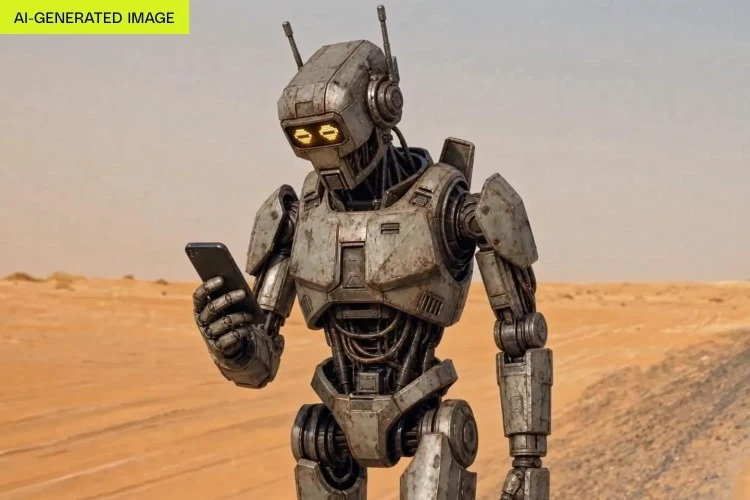
Major YouTube creators are facing a wave of fan backlash after accepting sponsorships from Higgsfield, an AI video tool. The criticism is particularly sharp because these channels built their reputations on authentic, human-driven storytelling. Viewers argue that promoting an AI generator undermines the very craft that made these creators successful, especially when the tool can replicate their style with a simple text prompt.
Several high-profile tech and filmmaking channels have seen comment sections flooded with accusations of “selling out.” Fans point to specific concerns, including the potential for AI to replace human editors and the ethical ambiguity of training models on existing copyrighted work. The backlash has been intense enough that some creators have disabled comments on their sponsor segments, while others have issued public clarifications about their creative control over the tool’s output. As one top commenter noted, “You’re not just advertising a product—you’re endorsing the devaluation of your own profession.”
The core frustration stems from a perceived clash between the creators’ established brand and the product they are now promoting. For many followers, the videos featuring Higgsfield feel like a departure from the authentic, often low-tech or personality-driven content that originally built the channel. Fans argue that the polished, AI-generated aesthetic of these promotions contradicts the creators’ usual emphasis on raw creativity, practical tips, or a specific comedic tone.
Specifically, the dissatisfaction breaks down into three key complaints:
This backlash is not about the tool itself, but about the perceived compromise of the creators’ integrity in exchange for a paycheck. Viewers feel that the partnership signals a shift in priorities, away from community-focused content and toward commercial gain, which alienates the very audience that supported them.
In response to the backlash, some creators have issued public statements to clarify their position. A few have explained that the sponsorships are essential for financial sustainability, allowing them to keep producing content without relying on other, less transparent revenue streams. They argue that the AI tools in question are simply part of their workflow, similar to using editing software or stock music.
Other creators have taken a more conciliatory approach, directly addressing fan concerns in community posts and live streams. They have acknowledged the ethical worries about AI’s impact on human artists but maintain that their specific use case—such as generating background textures or drafting initial concepts—does not replace human creativity. One creator was quoted as saying, “I hear you, and I’m re-evaluating how I integrate these tools.”
However, not all responses have been apologetic. A smaller group has pushed back, arguing that the criticism is misguided and that fans are overlooking the potential for AI to democratize content creation. These creators have stated they will continue their partnerships, urging audiences to trust their judgment on what benefits their channel’s long-term growth.
The backlash signals a critical shift in audience tolerance, moving beyond isolated sponsorship deals to a broader skepticism about AI’s role in the creative process. Viewers are increasingly questioning whether AI-generated scripts, voiceovers, or visual elements compromise the authenticity they value in their favorite creators. This concern directly impacts platform trust, as audiences begin to associate AI-assisted content with a loss of human perspective, even when the creator maintains editorial control.
For platforms, the implication is clear: transparency is no longer optional. Algorithms that amplify engagement may inadvertently prioritize AI-optimized content, but the reputational cost can outweigh the algorithmic benefit. Creators now face a delicate balance—leveraging AI for efficiency while ensuring the final product retains a distinct human voice. The backlash also pressures platforms to develop clearer labeling standards, as audiences demand to know what is real. Without such measures, the gap between creator intent and audience perception will continue to widen, potentially eroding the very community bonds that sustain these platforms.







Comment