
Alerts
-
3 minutes, 45 seconds
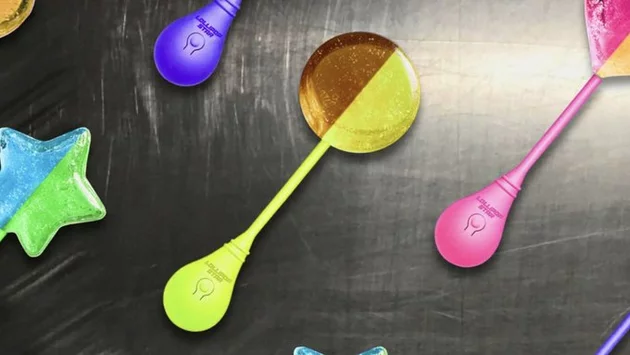
Imagine biting into a lollipop while your favorite song plays directly through it. That’s exactly what Lava Tech Brands is offering with the Lollipop Star, a hybrid candy-speaker device unveiled at CES 2026. Designed for those who crave novelty, this product blends sweet flavors with music, creating an experience that’s as unusual as it is playful. But beyond the initial curiosity, it raises questions about practicality and sustainability in tech.
The concept might sound gimmicky, but the tech behind the Lollipop Star is unique. One end of the device is a hard candy lollipop, while the other houses a bone-conduction speaker. When users clamp their lips over the candy and press their teeth on the stem, vibrations carry music through the jaw directly to the eardrum. This method keeps the audio private, so you can enjoy tunes without blasting them for others nearby.
Despite its playful candy exterior, the Lollipop Star feels targeted at adults rather than children. Lava Tech Brands’ marketing leans into suggestive imagery, creating a product that’s more about trendy fun than simple confectionery enjoyment. This adult-oriented vibe stands in contrast to traditional lollipops, which are typically designed for kids. The combination of sensual marketing and tech novelty has sparked both fascination and mild controversy.
While innovative, the Lollipop Star highlights a growing tension in consumer tech: disposability versus sustainability. Each device contains electronics like a battery and a small speaker, which are meant to be discarded once the candy is finished. With a lifespan measured in minutes—or even seconds if the audio quality disappoints—critics worry about adding more electronic waste to an already problematic cycle.
The Lollipop Star is priced at $8.99 per unit, pairing specific flavors with curated music tracks. Lava Tech Brands has partnered with pop stars like Ice Spice and Akon for the project, blending mainstream appeal with novelty. Akon’s inclusion is particularly eyebrow-raising, given his long absence from the charts and ongoing legal issues. These partnerships aim to make each lollipop not just a treat, but a collectible music experience.
The Lollipop Star raises intriguing possibilities for combining food and technology, even if it’s more playful than practical. Could we see more edible gadgets with sensory experiences in the future? While the concept is eye-catching, its disposable nature may limit mass adoption. Still, it’s a reminder that innovation often thrives at the intersection of curiosity and whimsy, even if the results feel fleeting.









Comment