Alerts

-
6 minutes, 3 seconds
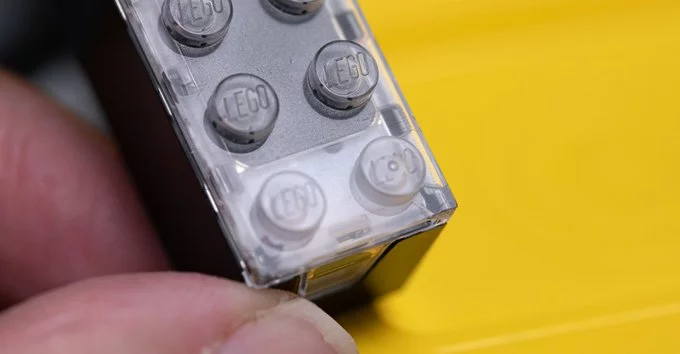
Lego Smart Bricks are designed to bring coding, robotics, and interactive play into the Lego ecosystem. But many buyers are asking an important question: can you replace the battery in Lego Smart Bricks? The answer currently appears to be no. Early users have discovered the battery is sealed inside the brick, and several built-in sensors are not yet active. Lego says these features will unlock in future products, but the situation has sparked debate among educators, hobbyists, and tech-savvy builders.
One of the biggest discoveries from early hands-on experiences is that Lego Smart Bricks appear to have non-replaceable batteries. Unlike traditional Lego electronics that allow battery swaps, these new bricks contain a sealed internal power unit.
For many users, this design raises practical concerns. Batteries degrade over time, and once the battery loses capacity, the entire smart brick could become unusable. That possibility worries hobbyists who expect Lego products to last for years, sometimes decades. Lego has built its reputation on durable pieces that can be reused indefinitely, so a sealed battery feels like a departure from that philosophy.
From a sustainability perspective, the choice also sparks questions. Tech products with non-replaceable batteries often face criticism for contributing to electronic waste. Builders who invest in robotics kits or coding sets typically want hardware they can maintain, upgrade, and repair.
Another surprise involves the sensors built into the smart brick hardware. Several sensors appear to exist inside the device, but they are currently inactive.
According to official statements, these sensors will become available through future products or updates. That means the hardware already includes capabilities that are simply waiting to be enabled later. While this approach could allow new features without requiring new hardware, it also creates confusion for early adopters.
Some buyers expected fully functional sensors from the beginning. Instead, they discovered that the technology inside the brick is only partially accessible for now. This has led to speculation about upcoming kits or expansions that may unlock those hidden features.
Holding back certain capabilities might be part of a broader strategy. Smart devices often launch with a core feature set and gradually expand through updates or new accessories.
For Lego, that approach could allow the company to build an evolving ecosystem of robotics and educational tools. Future kits may activate additional sensors, introduce new programming options, or integrate with upcoming learning platforms.
Another possibility is that Lego wants to simplify the experience for beginners. Activating every sensor immediately might overwhelm younger users who are just learning coding concepts. By unlocking features over time, Lego could gradually introduce more advanced functionality.
Still, transparency matters. Many tech enthusiasts prefer knowing exactly what hardware can do before buying it.
Despite the controversy, Lego Smart Bricks represent an ambitious step into programmable hardware. The company has been steadily expanding into coding education, robotics, and digital learning tools.
Smart bricks combine traditional Lego creativity with modern technology. Builders can program actions, connect sensors, and create interactive models that respond to the real world. That blend of physical building and digital logic makes Lego increasingly relevant in STEM education.
Parents, teachers, and makers are paying attention because these systems help children learn programming concepts through play. Instead of abstract code on a screen, users can see their instructions control motors, lights, and sensors.
The current limitations do not erase that potential, but they do highlight the challenges of merging toys with consumer technology.
Anyone considering Lego Smart Bricks should understand the current trade-offs. The bricks offer exciting possibilities for robotics and interactive builds, but some capabilities remain locked behind future updates or product releases.
Battery longevity is another factor to consider. Since the battery cannot be replaced easily, long-term durability may depend on how well the internal power system holds up over time.
That said, Lego has a history of improving its tech platforms through updates and new kits. Early buyers may eventually see additional features unlocked, especially as the ecosystem grows.
For now, Lego Smart Bricks sit at an interesting intersection between toy innovation and consumer electronics — a promising idea that still has a few unanswered questions.









Comment