
-
5 minutes, 31 seconds
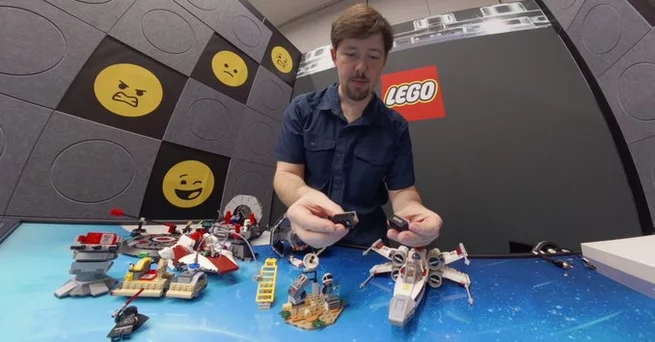
Lego Smart Brick is already one of the most searched CES 2026 innovations, and for good reason. Shown off during a hands-on demo at the show, the new Smart Brick blends classic Lego creativity with advanced sensors, lighting, and real-time responsiveness. Many readers want to know what makes it different from previous Lego tech and whether it’s truly immersive. The short answer is yes, especially when experienced through the 15-minute immersive demo filmed directly from the CES show floor. Designed to feel like you’re standing beside the presenter, the demo offers a close-up look at how Lego is rethinking physical play. This approach positions Lego Smart Brick as more than a toy. It’s a platform for interactive storytelling and learning.
Lego Smart Brick didn’t just attract attention; it earned a Best in Show award at CES 2026. The recognition came after an expert demonstration by Lego designer Maarten Simons, who showcased how the brick reacts to movement, touch, and configuration changes. Each interaction triggers dynamic feedback, making builds feel alive instead of static. Observers noted how smoothly the technology blends into the familiar Lego system. Nothing feels forced or overly technical, which is often a challenge with smart toys. Instead, the Smart Brick enhances creativity without replacing imagination. That balance likely played a big role in its CES success.
What truly sets this Lego Smart Brick coverage apart is the immersive VR-style demo experience. Filmed using a specialized VR180 camera, the video allows viewers to look around freely as if attending the demo in person. Those with VR headsets can experience full stereoscopic depth, while mobile and desktop users can still interact by dragging or tilting their screens. This format makes the demo feel personal and unscripted. Rather than polished marketing, viewers see a real, uninterrupted presentation. That authenticity builds trust and excitement at the same time. It’s a smart way to showcase physical tech online.
Lego Smart Brick uses embedded sensors and onboard processing to detect how it’s being used within a build. When connected with compatible Lego elements, it can trigger lighting effects, motion responses, or logical outcomes. The system is designed to be modular, allowing future expansion without replacing existing sets. Lego appears focused on longevity rather than one-off gimmicks. Importantly, the brick doesn’t require constant screens or apps to be engaging. Physical interaction remains the core experience. This design choice aligns well with parents and educators looking for meaningful tech play.
The Lego Smart Brick signals a broader shift in Lego’s product direction. Instead of separating digital and physical play, Lego is merging them in subtle, thoughtful ways. CES 2026 shows the company doubling down on immersive experiences without abandoning its core identity. Industry watchers see this as Lego responding to competition from screen-first toys and games. By enhancing bricks rather than replacing them, Lego keeps its loyal fanbase while attracting new audiences. The Smart Brick could become a foundation for future sets, educational tools, and even collaborative play experiences. That long-term potential is what makes this launch especially important.
CES is full of flashy concepts, but Lego Smart Brick stands out because it feels real and ready. The immersive demo proves the technology works, not just in theory but in practice. Viewers don’t have to imagine how it might feel; they can see it happening. That clarity is rare in early tech showcases. As smart toys continue to evolve, Lego Smart Brick shows how innovation can enhance creativity instead of distracting from it. This demo isn’t just a highlight of CES 2026. It’s a glimpse at how play itself may be changing.

2.5K articles

1.4K articles

34 articles

28 articles













Comment