Alerts

-
3 minutes, 2 seconds
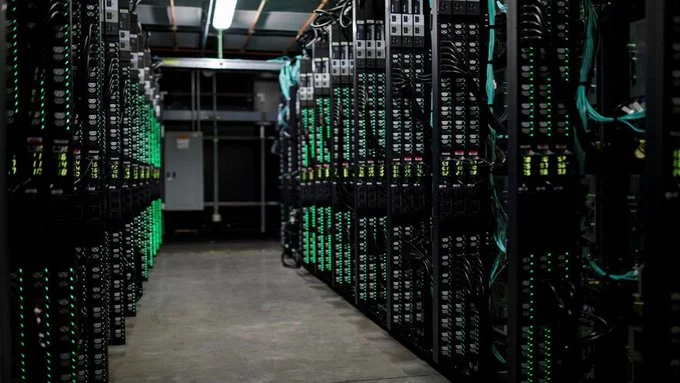
The motivation for moving data centers underwater stems from three pressing operational realities: land scarcity, rising cooling costs, and the pursuit of energy efficiency. On land, data centers consume vast amounts of space and require significant real estate investment, which is increasingly difficult to secure in densely populated regions. More critically, traditional cooling systems account for up to 40% of a facility’s total energy consumption, driving operational expenses and carbon footprints.
Cold seawater offers a natural, free, and abundant cooling solution. By submerging servers in sealed, watertight vessels, operators can leverage the ocean’s ambient temperature to dissipate heat without energy-intensive chillers or air conditioning. This approach directly reduces power usage effectiveness (PUE) and supports sustainability goals. The Korean underwater data center project specifically aims to capitalize on this principle, positioning facilities near coastal load centers to shorten data transmission distances while slashing energy demands for thermal management.
South Korea’s pilot project, launched in 2024, is a collaborative effort between the Ministry of Oceans and Fisheries and private firms. The test facility is located off the coast of Pohang, submerged at a depth of 20 meters. The initial deployment is small in scale, consisting of a single 100-rack module designed to validate the concept.
The technology leverages the cold, stable seawater for natural cooling, which is expected to reduce power consumption for cooling by up to 70% compared to land-based centers. The module uses a sealed, watertight chamber to protect the servers from pressure and corrosion. Crucially, the site is linked to a nearby floating solar farm, supplying renewable energy to power the unit. This integration aims to create a fully sustainable, zero-carbon operational model. The project’s goal is to gather data on performance and maintenance over a two-year period before any larger commercial rollout is considered.
The primary advantages of underwater data centers are compelling. They offer reduced energy consumption by leveraging natural seawater cooling, eliminating the need for energy-intensive chillers. This also leads to a significantly reduced environmental impact, as they require no land space and can achieve a lower carbon footprint. Furthermore, their remote, underwater location provides inherent physical security and protection from on-land disasters.
However, these benefits come with notable challenges. Maintenance is a major hurdle, as accessing and repairing equipment requires specialized submersible technology and operations. Data security is another critical concern, with the need to ensure robust encryption and protect against potential unauthorized access in a challenging environment. Additionally, the initial capital investment for underwater construction and deployment is substantial. While the operational efficiency is promising, these logistical and security hurdles must be addressed for the technology to become a viable, large-scale alternative.
The success of the Korean pilot could pave the way for larger commercial deployments, potentially scaling from a single test module to clusters of underwater data centers. This expansion would likely target coastal regions with dense populations, where land is scarce and latency to major cities is low. For the industry, the implications are significant: if underwater facilities prove reliable over long periods, they could become a standard option for hyperscale cloud providers seeking to reduce cooling costs and carbon footprints. However, widespread adoption depends on overcoming logistical hurdles, such as underwater maintenance and undersea cable durability. Furthermore, the industry may see new partnerships between tech firms and maritime or energy companies, as underwater sites could integrate with offshore renewable energy sources. Ultimately, the outlook suggests a gradual shift toward more geographically distributed, energy-efficient data infrastructure, with underwater centers serving as a complementary solution rather than a total replacement for land-based facilities.










Comment