
Alerts
-
2 minutes, 44 seconds
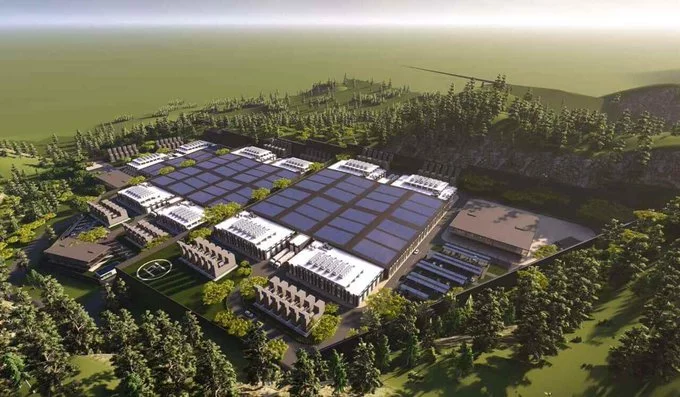
Kenya has stalled the $1 billion Microsoft-G42 data centre plan because the country's power supply cannot yet support the massive energy needs of such a facility. This delay highlights a growing challenge for Africa's tech ambitions: without reliable and affordable electricity, even the biggest digital investments can hit a wall.
The proposed data centre, a joint venture between Microsoft and Abu Dhabi-based G42, would be one of the largest in East Africa. But Kenya's national grid struggles with frequent outages and high costs. Data centres require 24/7 electricity to run servers and cooling systems. When the power maths doesn't add up, projects stall.
The delay is a setback for Kenya's goal of becoming a regional tech hub. Data centres are the backbone of cloud computing, AI, and digital services. Without them, startups and big companies may look elsewhere.
This isn't just a Kenya story. Across Africa, data centre projects face similar hurdles. Countries like South Africa and Nigeria also grapple with power shortages. The lesson is clear: digital transformation needs energy transformation first.
For investors, this means evaluating power reliability before committing billions. For governments, it's a wake-up call to modernise grids and attract green energy investments.










Comment