
Alerts
-
5 minutes, 10 seconds
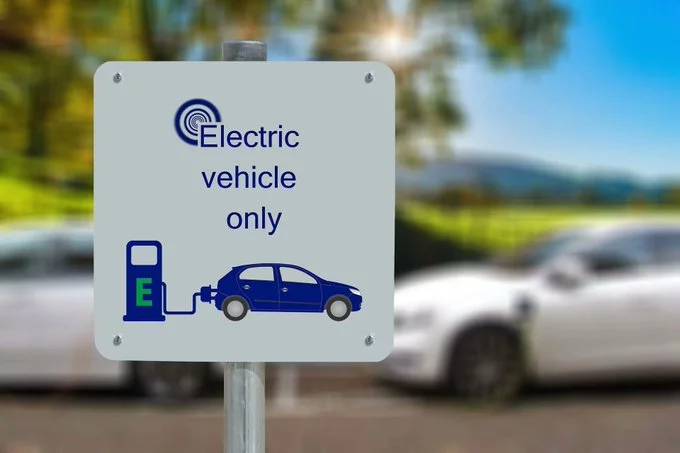
Kenya’s decision to replace a planned fleet of petrol vehicles with 3,000 locally assembled electric vehicles has sparked major interest across the transport and energy sectors. If you are searching for updates on Kenya electric vehicles, government procurement shifts, or EV adoption trends, this move signals a turning point. The National Treasury says the switch aims to cut fuel import dependence, stabilize public spending, and accelerate green mobility. It also reflects rising global oil volatility and Kenya’s push toward cleaner transport solutions in 2026.
Kenya’s Treasury has officially scrapped its earlier plan to acquire 2,500 petrol and diesel vehicles, replacing it with a larger order of 3,000 electric units assembled locally. This decision was announced during a parliamentary finance committee session and framed as part of a broader economic resilience strategy. Officials argue that reducing fuel consumption in government fleets will significantly lower exposure to global oil shocks and currency pressure. The policy also aligns with national climate goals and long-term energy security planning.
The shift toward electric mobility is not only about replacing vehicles but also building domestic manufacturing capacity. The government says it has secured a supplier to assemble EVs in Kenya, although details remain undisclosed. Industry players believe this could involve firms already active in local assembly partnerships. The goal is to stimulate industrial growth, create jobs, and reduce reliance on imported finished vehicles. If successful, Kenya could position itself as a regional EV assembly hub.
Despite the government push, Kenya’s electric vehicle market remains small, especially in the passenger car segment. Most registered EVs are two- and three-wheelers used in commercial transport. High upfront costs remain the biggest barrier for private buyers, especially when compared to used imported petrol cars. Tax structures and depreciation advantages still favor conventional vehicles. Without targeted incentives and financing models, adoption among households is expected to remain slow.
Kenya is now watching regional peers closely as electric mobility accelerates across Africa. Ethiopia has taken a more aggressive stance by restricting internal combustion vehicle imports, while Rwanda continues to expand its electric motorcycle ecosystem. Kenya’s advantage lies in its renewable-heavy power grid, which ensures EV charging is largely green. This positions the country as a strong contender in Africa’s clean transport transition, provided infrastructure keeps pace with demand.
The success of this transition now depends on procurement execution, supplier selection, and infrastructure rollout. Parliament will play a key role in approving funding and incentives under the upcoming finance framework. Charging networks remain limited outside major cities, creating a potential bottleneck for adoption. However, if implementation stays on track, Kenya’s government-led demand could significantly accelerate the local EV industry and reshape future transport systems.
The broader outlook for Kenya’s electric vehicle transition suggests a gradual but meaningful shift in public sector transport strategy. Analysts expect government demand to create a ripple effect across private fleets, ride-hailing operators, and logistics companies. Over time, local assembly could lower prices and improve access to EV technology for ordinary consumers. If supported by consistent policy, investment in charging infrastructure, and stable incentives, Kenya could emerge as a regional leader in electric mobility. However, success will depend on execution speed and coordination between public and private stakeholders across the transport ecosystem. Policy alignment and investor confidence will be crucial in sustaining momentum beyond the initial procurement phase. Long-term benefits include reduced emissions, improved energy security, and stronger industrial competitiveness across East Africa. region.










Comment