
Alerts
-
12 minutes, 29 seconds
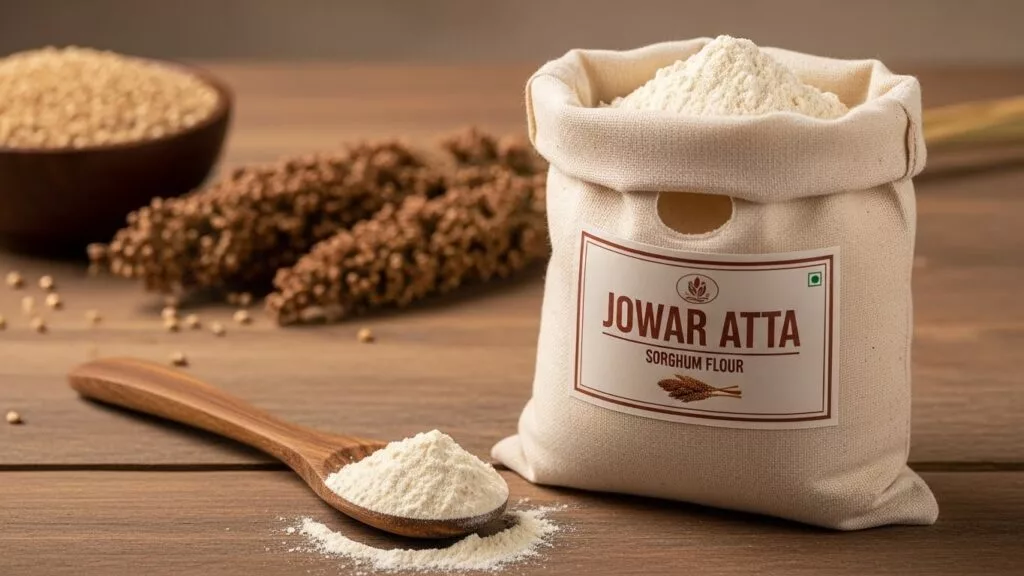
Jowar atta — made from one of the world's oldest cultivated grains — has been a dietary cornerstone across South Asia and Africa for centuries. But today, modern nutritional science is catching up to what traditional kitchens have always known: this humble flour is a nutritional powerhouse. Whether you're exploring gluten-free grains, managing a chronic condition, or simply looking to eat smarter, the health benefits of jowar are impossible to ignore.
From blood sugar regulation to bone strength, the diverse jowar atta uses extend far beyond everyday rotis and bhakris. In this comprehensive guide, we break down 10 science-backed benefits of incorporating Jowar Atta into your daily diet — along with practical tips to get the most out of this ancient superfood.
Jowar (Sorghum bicolor), commonly known as sorghum in the West, is a cereal grain that has been cultivated for over 5,000 years. Ground into flour, it becomes jowar atta — a fine, off-white powder with a mild, slightly earthy flavour.
Unlike refined wheat flour, jowar atta is:
With more and more people pivoting towards whole, unprocessed foods, jowar atta has emerged as one of the most sought-after gluten-free grains in modern kitchens. High-quality, stone-ground options from brands like 10on10foods are making it easier than ever to access clean, premium jowar flour.
Before diving into the benefits, let's understand what makes jowar atta so nutritionally dense. Per 100g of jowar flour (approximate values):
| Nutrient | Amount |
|---|---|
| Calories | 329 kcal |
| Carbohydrates | 72 g |
| Dietary Fibre | 6.3 g |
| Protein | 11 g |
| Fat | 3.5 g |
| Iron | 4.1 mg |
| Calcium | 25 mg |
| Magnesium | 165 mg |
| Phosphorus | 287 mg |
| Potassium | 350 mg |
This impressive profile underpins the wide range of sorghum benefits backed by both traditional use and modern research.
One of the most celebrated jowar benefits is its impact on glycemic control. Unlike refined flours that cause sharp spikes in blood glucose, jowar atta is digested slowly due to its high fibre and complex carbohydrate content.
For individuals with type 2 diabetes or prediabetes, substituting wheat flour with jowar atta in daily cooking can be a meaningful dietary intervention. Talk to your healthcare provider before making major dietary changes, but the jowar nutrition data strongly supports its role in blood sugar management.
Practical Tip: Use jowar atta to make rotis, pancakes, or porridge as part of a balanced, low-GI breakfast.
The health benefits of jowar extend deep into your digestive system. With approximately 6–7g of dietary fibre per 100g, jowar atta is an excellent source of both soluble and insoluble fibre.
Since jowar is a naturally gluten-free grain, it is particularly beneficial for people with celiac disease or non-celiac gluten sensitivity, whose gut lining is often compromised by gluten-containing foods.
Practical Tip: Gradually increase jowar atta intake to allow your digestive system to adjust. Combine with water-rich vegetables for optimal results.
Among the most practically important jowar atta uses is its role in supporting healthy weight management. This is driven by multiple mechanisms working together.
Unlike crash diets or ultra-processed "diet foods," jowar atta provides sustained energy without the blood sugar rollercoaster — making it a natural ally for those pursuing long-term weight management goals.
Practical Tip: Replace maida (refined flour) with jowar atta in chapatis, dosas, pancakes, and baked goods for a nutrient-dense, lower-calorie alternative.
Cardiovascular disease remains the leading cause of death globally, and diet plays a central role in prevention. The jowar benefits for heart health are significant and multifaceted.
Regular consumption of jowar atta as part of a heart-healthy diet may reduce the risk of hypertension, high cholesterol, and coronary artery disease — making it a genuinely preventive food.
Practical Tip: Replace processed snack foods with jowar-based alternatives like bhakri or jowar flakes to protect your heart over time.
As we age, bone mineral density naturally declines — increasing the risk of fractures and osteoporosis, especially in postmenopausal women. Jowar nutrition offers meaningful support here.
For those who avoid dairy (due to lactose intolerance or plant-based diets), incorporating jowar atta into daily meals offers a plant-based way to meet bone-supportive mineral needs.
Practical Tip: Pair jowar atta dishes with calcium-rich foods like sesame seeds, leafy greens, or fortified plant milk to create a bone-nourishing meal.
Sorghum benefits go beyond macronutrients. Jowar is one of the richest plant sources of antioxidants, compounds that neutralise harmful free radicals in the body.
Research suggests that people who consume high-antioxidant diets have lower rates of chronic diseases, including certain cancers, type 2 diabetes, and neurodegenerative conditions like Alzheimer's disease.
Practical Tip: Choose minimally processed, stone-ground jowar atta to retain the maximum antioxidant content from the bran and germ layers.
One of the most important jowar atta uses in modern dietary planning is as a safe, nutritious wheat substitute for the growing population diagnosed with celiac disease, wheat allergy, or gluten intolerance.
The global gluten-free market is growing rapidly, but many gluten-free products are nutritionally inferior. Jowar atta stands apart as a whole-grain alternative that doesn't compromise on nutrition.
Practical Tip: When baking with jowar atta, combine it with a binding agent like flaxseed gel, psyllium husk, or eggs to compensate for the absence of gluten's binding properties.
Chronic fatigue is often linked to nutritional deficiencies — particularly iron, B vitamins, and magnesium. The jowar nutrition profile addresses all three directly.
For athletes, active individuals, or anyone struggling with low energy, jowar atta is a smarter fuel source than refined flour alternatives.
Practical Tip: Start your day with a jowar porridge or jowar roti paired with a protein source to maintain stable energy throughout the morning.
A robust immune system depends on consistent micronutrient intake — and jowar atta delivers on multiple fronts.
During cold and flu season — or for individuals recovering from illness — incorporating jowar atta into daily meals is a simple, food-first approach to immune support.
Practical Tip: Combine jowar atta with turmeric, ginger, and black pepper in cooking for an immune-boosting combination rooted in both tradition and science.
The final benefit of jowar atta in our list touches on something many people are deeply invested in — their appearance. Jowar benefits for skin and hair stem from its rich micronutrient and antioxidant profile.
While topical skincare has its place, true skin and hair health begins from within — and jowar atta's nutritional depth makes it a beauty food in every sense.
Practical Tip: For an inside-out skin glow approach, combine jowar atta meals with vitamin C-rich foods (like lemon, amla, or bell peppers) to enhance iron absorption and collagen synthesis.
Understanding the health benefits of jowar is just the beginning. Here's how to actually incorporate it into your everyday cooking:
The key to unlocking the best jowar atta uses is sourcing high-quality flour. Look for stone-ground, minimally processed options that preserve the bran, germ, and endosperm — where most of the nutrients reside.
Not all jowar atta is created equal. When shopping, look for:
Brands focused on clean, whole-food nutrition — like 10on10foods — provide traceable, high-quality jowar atta that meets these standards.
The health benefits of jowar atta are both broad and deep. From managing blood sugar and supporting heart health to strengthening bones, boosting immunity, and even improving your skin and hair — the jowar benefits are backed by both centuries of traditional wisdom and an expanding body of modern nutritional research.
As one of the most nutritionally complete gluten-free grains available, jowar atta deserves a permanent place in every health-conscious kitchen. Whether you're new to it or revisiting a grain your grandmother swore by, there has never been a better time to embrace the many Jowar Atta uses in your daily life.
Start small — replace one serving of refined flour per day with jowar atta — and let the cumulative benefits speak for themselves.
Yes, jowar atta is 100% naturally gluten-free and does not contain the gliadin or glutenin proteins found in wheat, barley, and rye. It is considered safe for individuals with celiac disease. However, always ensure the jowar atta you purchase is certified gluten-free and processed in a dedicated gluten-free facility to avoid cross-contamination.
Absolutely. Jowar atta is a whole grain and can be safely consumed daily as part of a balanced diet. Its low glycemic index, high fibre content, and rich micronutrient profile make it an excellent everyday flour for rotis, porridges, pancakes, and baked goods. As with any food, variety is key — pair jowar atta with other whole grains like bajra, ragi, and oats for a diverse nutritional intake.
Yes. Jowar atta is a low-fat, high-fibre, moderate-protein flour with a low glycemic index — all characteristics associated with better weight management. Its high satiety factor helps control appetite and reduce total calorie intake. Replacing refined maida with jowar atta in daily cooking is a simple, sustainable step towards healthy weight management.





Comment