Alerts

-
4 minutes, 46 seconds
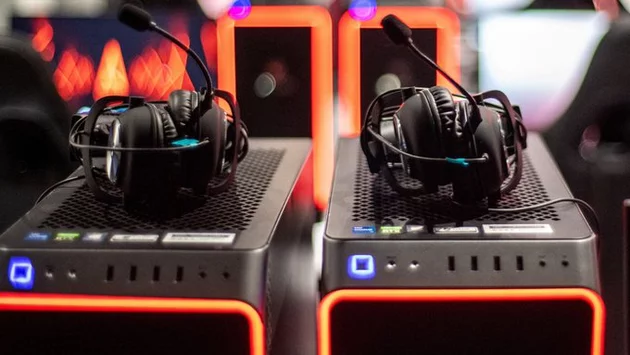
Japanese gaming PC shortage concerns are escalating fast, leaving shoppers asking why gaming PCs are suddenly unavailable, whether prices will fall, and how long the disruption may last. Retailers in Tokyo are now openly admitting they can’t keep systems in stock, even secondhand ones. The situation has reached a point where stores are actively begging customers to sell back used machines. This shortage affects gaming desktops, laptops, and even standard productivity PCs. Industry watchers say supply constraints worsened toward the end of 2025. Buyers hoping for post-holiday discounts are instead facing scarcity. The crisis highlights how fragile the PC supply chain has become.
Sofmap Gaming, located in Akihabara, Japan’s tech shopping hub, has issued a rare public appeal for used gaming PCs. The retailer says inventory levels have dropped so low that it will buy nearly any functioning PC. Staff are offering unusually high payouts to convince customers to part with their systems. The request covers gaming rigs, laptops, and even non-gaming desktop PCs. Such open desperation is uncommon in Japan’s normally stable electronics market. Akihabara shelves that were once packed now sit partially empty. The message is clear: demand is far outpacing supply.
The Japanese gaming PC shortage intensified after several manufacturers paused orders in December 2025. TSUKUMO’s G-Gear and eX.computer lines stopped accepting new purchases altogether. Mouse Computer followed by suspending sales of multiple models during the holiday period. These pauses were not widely advertised, leaving consumers confused and frustrated. When order windows reopened in January 2026, pricing had shifted sharply upward. Some models returned with significantly reduced availability. Others disappeared entirely from listings. The lack of transparency has only fueled buyer anxiety.
Once sales resumed, shoppers were met with inflated prices across multiple retailers. At TSUKUMO eX., large portions of showroom space now remain empty due to limited stock. According to industry observers, fewer units are being shipped despite high demand. Retailers are prioritizing premium configurations to protect margins. Entry-level gaming PCs have become especially hard to find. Customers report sticker shock compared to prices seen just months earlier. Even used systems are climbing in value. The shortage is reshaping buying behavior in real time.
Underlying the Japanese gaming PC shortage is a growing memory supply problem. Framework previously warned that memory prices were rising due to global supply disruptions. Those warnings are now materializing across Asian markets. Memory components are essential for both gaming and productivity systems. As costs rise, manufacturers are forced to limit production or raise prices. Smaller PC builders are especially vulnerable to these fluctuations. The ripple effects are being felt well beyond gaming enthusiasts. This component bottleneck shows no immediate signs of easing.
For gamers and PC buyers, the message is unsettling but important. The Japanese gaming PC shortage suggests supply instability could persist into 2026. Waiting for prices to normalize may not pay off in the short term. Buyers with functioning systems are now holding valuable assets. Retailers turning to used inventory signals deeper structural issues. Analysts expect continued volatility across global PC markets. For now, Japan offers a warning of what other regions may soon face. The era of easy gaming PC upgrades may be on pause.










Comment