
Alerts
-
4 minutes, 45 seconds
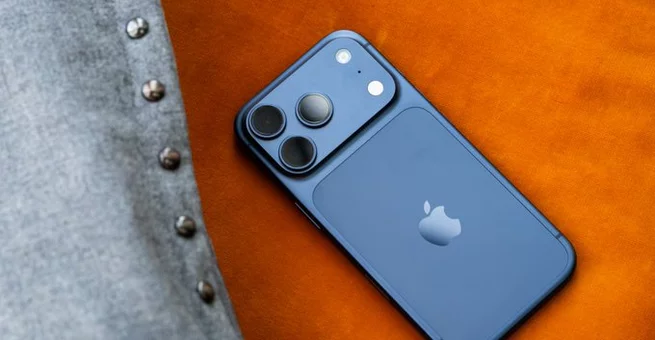
Apple has announced its most successful iPhone quarter ever, with revenue surpassing $85.3 billion in Q1 2026. This milestone comes as part of Apple’s record-breaking $143.8 billion total revenue, reflecting a 16% increase compared to the same period last year. Analysts and fans alike are asking: how did iPhone sales climb so high despite AI setbacks and supply chain challenges?
Apple CEO Tim Cook attributes the surge to the “staggering” demand for the iPhone 17 series. “This is the strongest iPhone lineup we’ve ever had, and by far the most popular,” Cook said during the earnings call.
The iPhone 17 Pro and base models contributed significantly to the revenue jump. Unlike previous generations, the standard iPhone 17 now includes features that were once exclusive to the Pro line, such as an always-on display and higher refresh rate screens. This strategy appears to have paid off, attracting both first-time buyers and loyal Apple fans looking to upgrade.
Rumors suggested that iPhone Air sales might underperform, but these concerns had little effect on overall revenue. High demand for the flagship models more than offset any shortfall in other segments.
Apple’s rapid growth hasn’t come without challenges. Cook noted that the company is facing a “constrained” supply for the iPhone 17 due to limited availability of advanced chip production nodes. This bottleneck is limiting Apple’s flexibility but hasn’t slowed overall sales momentum.
The supply challenges highlight a broader trend in tech manufacturing: high demand often collides with the complexity of producing advanced components. Apple appears to be navigating this balancing act successfully, keeping customers excited while managing inventory carefully.
One notable headwind for Apple was the delay of AI enhancements for Siri, the company’s voice assistant. Despite these setbacks, Apple continues to promise AI-driven personalization features, which are expected to roll out in the coming months.
Investors may have initially been concerned about AI delays affecting sales, but Apple’s performance proves that iPhone hardware remains the primary driver of revenue. Services like Apple Music, iCloud, and Apple TV also contributed, showing a 14% increase in revenue year over year.
While the iPhone led the charge, Apple’s Mac and wearables segments saw a slight decline. This emphasizes the iPhone’s outsized role in the company’s growth, especially as consumers prioritize mobile technology and devices with cutting-edge features.
Despite these mixed results, Apple’s overall strategy continues to strengthen its ecosystem, driving loyalty and repeat purchases across devices and services.
Apple’s record-breaking quarter signals more than just strong sales—it underscores the company’s resilience in a rapidly evolving tech landscape. Even with AI delays, supply constraints, and shifting consumer habits, the iPhone remains a global powerhouse.
Looking ahead, Apple plans to leverage its AI investments in upcoming software updates and hardware releases, ensuring that future quarters could see even higher revenue growth.
Apple’s success story this quarter isn’t just about numbers—it’s a reminder that innovative hardware, strategic upgrades, and strong brand loyalty continue to fuel the world’s most valuable tech company.









Comment