
-
3 minutes, 54 seconds
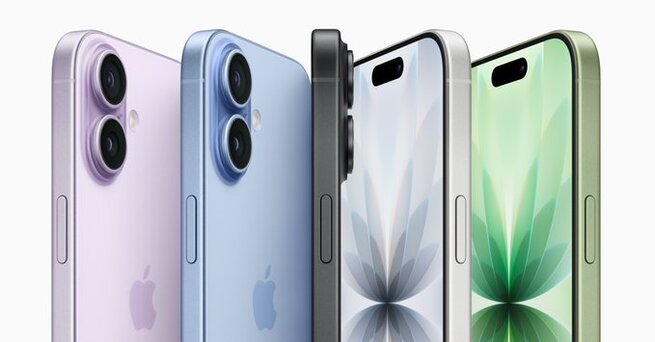
Apple’s iPhone 17 is off to a strong start, with early sales signaling a possible shift in the global smartphone market. According to Counterpoint Research, Apple is expected to ship roughly 243 million units in 2025, outpacing Samsung’s projected 235 million. This puts Apple at a 19.4% market share, slightly ahead of Samsung and raising questions about whether Apple will reclaim the top smartphone spot worldwide.
Counterpoint Research reports that the iPhone 17 series sold 12% more units in its first four weeks compared to the iPhone 16 lineup. Analysts attribute this jump to the combination of upgraded features, appealing new designs, and lower-than-anticipated impacts from tariffs. The early surge highlights Apple’s continued ability to capture consumer excitement around each new release.
The iPhone 17 lineup has attracted buyers with its updated aesthetics, enhanced camera system, and faster processing capabilities. Apple’s emphasis on both performance and style appears to be resonating with loyal users, boosting repeat purchases and attracting new customers. This blend of innovation and familiarity is a hallmark of Apple’s sales strategy.
Industry analysts note that Apple’s strong brand loyalty and ecosystem integration give it an edge over Samsung. While Samsung continues to dominate in diverse markets with a wide range of devices, Apple’s focused flagship approach allows for higher average selling prices and more consistent consumer demand. This strategy may help Apple maintain its lead throughout the year.
One key factor in the iPhone 17’s strong performance is the minimal disruption from international tariffs. Earlier forecasts had suggested potential price hikes could slow sales, but initial numbers show that Apple’s pricing strategy kept demand resilient. This has given the company an advantage over competitors navigating more complex international trade conditions.
Despite Apple’s projected lead, Samsung remains a formidable competitor. With a broad product lineup spanning entry-level to premium devices, Samsung continues to capture large volumes of sales globally. Experts suggest the smartphone race will remain tight, with both brands closely monitoring each other’s strategies.
For consumers, Apple’s strong iPhone 17 sales could lead to faster innovation cycles and more aggressive promotions as Samsung tries to close the gap. The competition may benefit users with better pricing options, improved features, and expanded device ecosystems. The global smartphone landscape is poised for an exciting year ahead.
With the iPhone 17 outperforming expectations, Apple could solidify its lead as the top smartphone manufacturer in 2025. While market conditions and consumer preferences can shift quickly, early indicators point to a significant win for Apple in terms of shipments, market share, and overall brand influence.

2.6K articles

1.4K articles

34 articles

28 articles












Comment