Alerts

-
5 minutes, 13 seconds
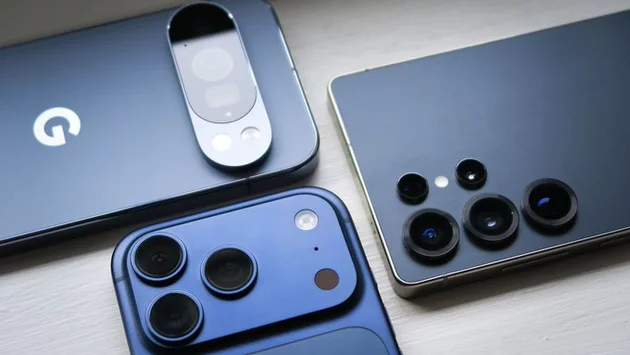
iPhone 17 Pro vs Pixel 10 Pro is one of the most searched smartphone camera comparisons right now, and for good reason. Both flagships promise cutting-edge photography, smarter video tools, and meaningful everyday upgrades. Apple is betting on refined hardware and pro-grade video workflows, while Google continues doubling down on AI-powered imaging. Buyers want to know which phone shoots better photos, handles motion more reliably, and performs best in low light. This comparison breaks down the real-world camera experience rather than spec sheet hype. Each device targets creators, casual users, and social media fans in slightly different ways. Understanding those differences is key before upgrading.
Apple’s iPhone 17 Pro introduces a higher-resolution telephoto sensor designed for sharper long-range shots without aggressive processing. Google’s Pixel 10 Pro and Pixel 10 Pro XL, meanwhile, refine a familiar sensor setup paired with upgraded computational photography. Apple focuses on optical consistency across lenses, ensuring color accuracy stays uniform when switching cameras. Google prioritizes flexibility, using AI to enhance detail even when hardware limitations appear. Both phones now deliver flagship-level stabilization and faster capture speeds. On paper, neither clearly dominates, which makes real-world performance more important. That balance keeps this camera rivalry so compelling.
In daylight photography, both phones capture crisp, vibrant images, but their styles differ noticeably. iPhone 17 Pro photos lean toward natural tones with restrained sharpening that appeals to purists. Pixel 10 Pro images look bolder, with enhanced contrast and dynamic range driven by Google’s AI pipeline. HDR handling is excellent on both, though Google still recovers highlights slightly better in tricky scenes. Apple counters with more realistic skin tones and consistent exposure. Social media creators may prefer Pixel’s punchy look straight out of the camera. Photography enthusiasts, however, may appreciate Apple’s more neutral approach.
Action photography reveals Apple’s improvements in motion capture, reducing blur during fast-moving scenes. Google remains strong here too, thanks to predictive AI timing that selects the sharpest frame. Zoom performance favors iPhone 17 Pro’s upgraded telephoto lens, especially at mid-range distances. Pixel 10 Pro relies more heavily on digital enhancement, which works well but can soften fine details. Low-light photography is still a Pixel strength, with Night Sight producing bright, usable images quickly. Apple’s low-light shots look more cinematic, preserving shadows rather than over-brightening scenes. The choice depends on whether you prefer realism or visibility.
Apple’s new Center Stage selfie camera adds flexibility for group shots and video calls, tracking faces smoothly. Google’s front camera emphasizes clarity and reliable skin tone reproduction across lighting conditions. Portrait mode results are excellent on both phones, though Pixel’s edge detection remains slightly more forgiving. Video is where iPhone 17 Pro pulls ahead with professional tools like GenLock and improved stabilization. Content creators and filmmakers will appreciate Apple’s consistent color science across lenses. Pixel still delivers excellent video, but Apple’s ecosystem advantage shows here. This difference could influence creator-focused buyers.
iPhone 17 Pro vs Pixel 10 Pro is less about which camera is “better” and more about which philosophy suits your needs. Apple offers controlled, professional-grade imaging with standout video features. Google delivers smart, AI-driven photography that looks impressive with minimal effort. Both phones rank among the best camera smartphones of 2025. Choosing between them depends on shooting style, editing preferences, and content goals. Casual users may love Pixel’s instant results, while creators may lean toward Apple’s video dominance. Either way, this camera war pushes smartphone photography forward.










Comment