
-
5 minutes, 26 seconds
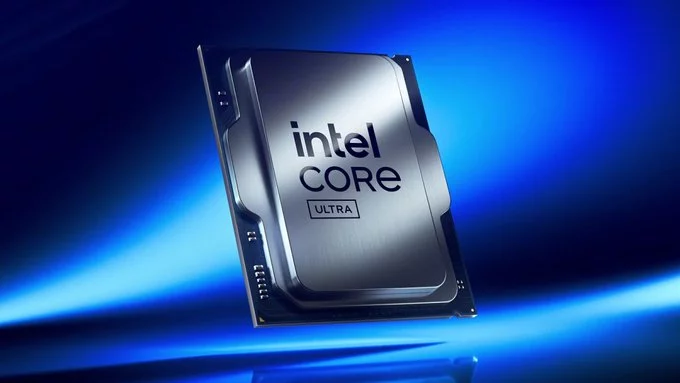
Curious whether Intel’s experimental Bartlett Lake CPUs can run on consumer hardware? A major breakthrough shows the Intel Core 9 273PQE Bartlett Lake chip has successfully booted into Windows after extensive modding work. Enthusiasts following CPU engineering experiments are now asking what this means for compatibility, performance potential, and future benchmarking. While full stability is not yet achieved, the system can now load Windows and run basic utilities, marking a key milestone in hardware adaptation efforts.
This achievement marks a rare moment in experimental CPU modding, where hardware not originally intended for consumer platforms is successfully brought into a usable operating system environment. The Intel Core 9 273PQE Bartlett Lake chip reportedly managed to complete the Windows boot sequence after multiple firmware and compatibility adjustments. Early tests show that only basic system information tools are functioning at this stage. However, reaching the desktop environment alone signals a significant step forward in platform bridging efforts. Developers involved in the project continue refining stability and hardware recognition.
For PC hardware enthusiasts, this breakthrough highlights the growing possibilities of unlocking non-standard CPU configurations through community-driven experimentation. The Bartlett Lake architecture, especially the 273PQE variant, is not designed for mainstream consumer motherboards, making this boot success particularly notable. It suggests that with the right firmware tweaks and chipset adaptation, even restricted hardware can reach functional operating states. This fuels interest in how far modders can push Intel’s experimental silicon designs. It also raises questions about future customization potential in enthusiast computing ecosystems.
Despite the milestone, significant challenges remain before the system can be considered stable or benchmark-ready. Driver support is limited, and hardware initialization still requires manual intervention during startup. Compatibility gaps between the Bartlett Lake silicon and consumer chipsets continue to cause minor system inconsistencies. Power management features are also not fully optimized, which may affect performance testing accuracy. These hurdles are typical in early-stage hardware adaptation projects.
With Windows now running on the Intel Core 9 273PQE Bartlett Lake chip, the next phase will focus on performance benchmarking and stress testing. Enthusiasts expect to see initial benchmark scores once stability improves and driver gaps are reduced. If successful, this could provide valuable insights into Intel’s experimental CPU lineup and its hidden capabilities. Future updates may also explore improved motherboard compatibility and refined firmware builds. For now, the achievement stands as an impressive proof-of-concept in advanced CPU modding.
This experimental success extends beyond a single CPU milestone and reflects a broader trend in hardware exploration among enthusiasts. As processors like the Intel Core 9 273PQE Bartlett Lake chip move through unofficial testing environments, they reveal how adaptable modern silicon can be under the right conditions. The ability to reach a Windows boot state on unsupported platforms demonstrates the potential flexibility hidden within next-generation CPU designs. It also encourages deeper collaboration between firmware developers and hardware modding communities. While these experiments remain outside official support channels, they often contribute indirectly to better understanding of architecture limitations and performance boundaries.
Looking ahead, such projects may influence how future CPUs are documented, tested, and even released. Manufacturers could take cues from enthusiast findings to improve debug accessibility and hardware flexibility. The Bartlett Lake experiment in particular highlights how much untapped potential may exist in specialized silicon variants. As benchmarking data becomes available, it will likely shape discussions about efficiency, scalability, and architectural design choices. For now, the modding milestone stands as a symbol of what determined engineering curiosity can achieve in modern computing landscapes.
Continued progress will determine how far this experimental platform can be pushed. It remains one of the most closely watched hardware experiments in 2026.

2.5K articles

1.4K articles

34 articles

28 articles














Comment