
Alerts
-
2 minutes, 15 seconds
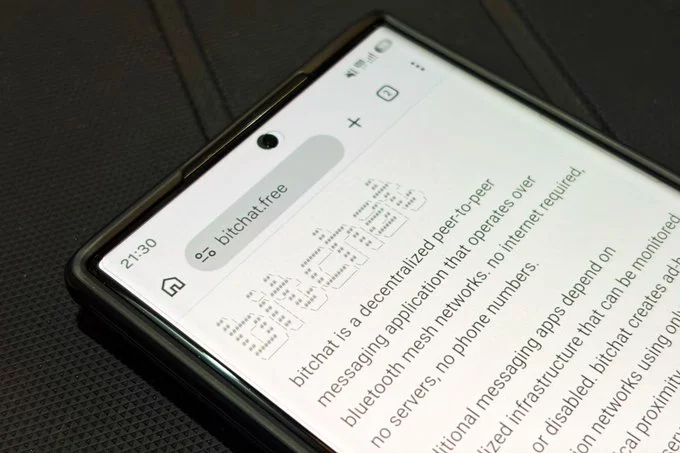
India’s move against Jack Dorsey’s Bitchat has ignited a heated legal debate over free speech, digital rights, and government regulation. The Indian government recently blocked the messaging app, citing national security concerns, prompting legal experts and tech activists to question the balance between security and privacy.
The Ministry of Electronics and Information Technology (MeitY) ordered the blocking of Bitchat under Section 69A of the Information Technology Act. This law allows the government to restrict access to online content in the interest of national security. Officials claimed the app was being used for activities that could threaten public order.
The move has sparked a debate between those who support government oversight and those who advocate for unfettered digital expression. Jack Dorsey, the co-founder of Twitter and creator of Bitchat, has criticized the ban, calling it a threat to free speech. Legal experts argue that the ban may violate Article 19 of the Indian Constitution, which guarantees freedom of speech and expression.
For Indian users, the Bitchat ban means losing access to a decentralized messaging platform that emphasized privacy. For tech companies, it highlights the importance of complying with local laws, especially data localization and content moderation requirements. Jack Dorsey has hinted at challenging the ban legally, which could take months or years to resolve.
India’s action against Bitchat is part of a global trend where governments are tightening control over digital platforms. Countries like Russia, China, and Brazil have similar laws. The outcome of this legal debate could influence how other nations handle encrypted messaging apps in the future.
In summary, the Bitchat case is a pivotal moment for digital rights in India. The legal debate is far from over, and its resolution will shape the future of free speech and security in the country’s digital landscape.










Comment