
-
2 minutes, 18 seconds
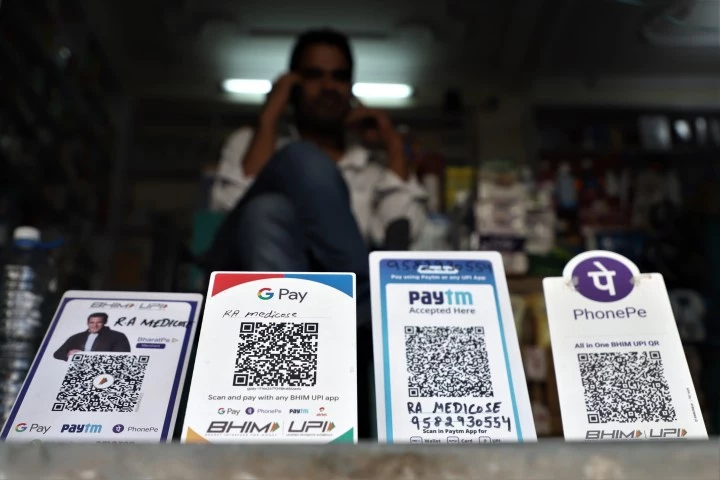
India's central bank is set to allow linking credit cards with UPI, a move that could transform the way millions of Indians pay. This change is part of a new legislation aimed at giving the Unified Payments Interface (UPI) a sustainable business model. If you use UPI for daily payments, this update could bring more convenience and rewards—but also new costs for merchants.
The Reserve Bank of India (RBI) has introduced a draft legislation that lays the legal groundwork for overhauling the current zero-merchant-discount-rate (MDR) regime. Since 2020, businesses have not paid any fees to accept UPI payments. The new law could change that, allowing merchants to be charged on some UPI transactions.
Currently, UPI is primarily linked to bank accounts and debit cards. Once the RBI allows credit card linking, you will be able to add your credit card to UPI apps like Google Pay, PhonePe, or Paytm. This means you can use your credit card for UPI transactions, potentially earning rewards, cashback, and enjoying better credit management—all through the same QR codes you already use.
The new legislation could reintroduce merchant discount rates for certain UPI transactions, especially those done via credit cards. While this may mean higher costs for businesses, it could also make the UPI ecosystem more financially sustainable and encourage banks to offer better services.
UPI has become the backbone of India's digital payments, but it has struggled with profitability. By allowing credit cards and introducing a business model, the RBI aims to keep UPI innovative and secure. For users, the ability to link credit cards with UPI means more flexibility and potential savings—just be aware that some merchants might pass on the fees.
Stay updated with the RBI's final guidelines. Once credit card linking becomes official, check your UPI app for the new option and compare which credit card offers the best rewards. Also, keep an eye on any transaction charges that might apply.
India's central bank allowing credit cards with UPI is a game-changer for digital payments. It brings the convenience of UPI together with the benefits of credit cards, but it also signals a shift toward a more sustainable payment ecosystem. Whether you're a consumer or a merchant, understanding these changes will help you make smarter payment choices.

2.6K articles

1.4K articles

34 articles

28 articles













Comment