
-
4 minutes, 8 seconds
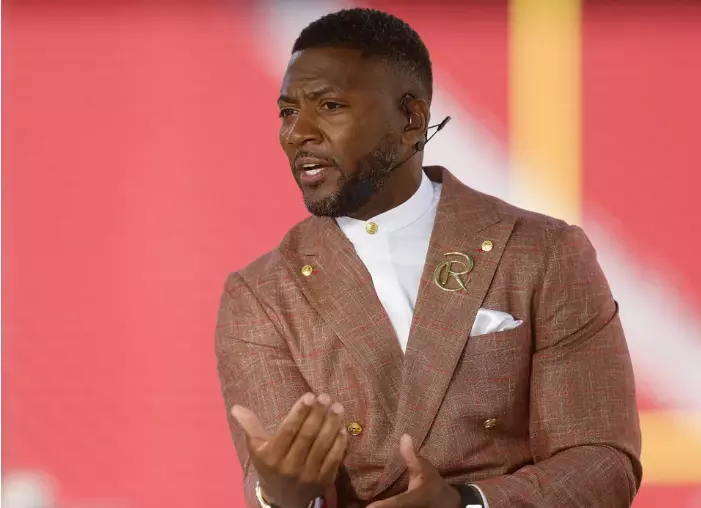
Ryan Clark’s ESPN firing isn’t rare. The 46-year-old NFL analyst was let go during a live episode of NFL Live, and later revealed that he constantly adjusted who he was at work. He said he felt he couldn’t be “too Black.” His story points to a painful truth: many Black employees still face pressure to shrink themselves in corporate spaces.
Clark was fired on air, which surprised many viewers. ESPN defended the decision, saying it wanted to avoid Clark finding out through rumors or gossip. But after the firing, Clark shared a deeper frustration on The Pivot Podcast. He explained that he changed his personality, his style, and his approach to keep his job at ESPN.
ESPN didn’t directly respond to Clark’s claims. Instead, the network pointed to a memo from chairman Jimmy Pitaro. In the memo, Pitaro said ESPN had to make “difficult decisions” about job impacts. He also said the company was committed to treating employees with “compassion and respect.”
For many Black workers, Clark’s words hit close to home. Feeling like you have to hide parts of yourself just to fit in is not unusual in corporate America.
Clark’s experience is not an isolated case. Black employees across many industries face similar pressure to tone down their Blackness. This can show up in many ways, including:
In 2019, actress Gabrielle Union was reportedly told her hair was “too Black” while working as a judge on America’s Got Talent: The Champions. That same year, Reagan Gomez-Preston shared on social media that she had to tone down her Blackness while filming That 70s Show. She said a director made her feel humiliated and constantly asked for “less sass.”
These stories show a clear pattern. Black employees are often expected to follow Eurocentric standards of behavior and appearance. The unspoken rule is simple: be professional, but don’t be too Black.
Many people believe that if Black employees work hard, stay quiet, and deliver great results, they’ll be rewarded. But the truth is, Black excellence doesn’t shield anyone from bias. No matter how talented, productive, or loyal you are, you can still become a target.
Corporations sometimes justify decisions with words like “restructuring” or “financial need.” But the impact is often the same: Black talent gets pushed out or held back. Over time, workplaces that ignore these harmful patterns lose strong employees. They also lose trust, creativity, and long-term success.
Organizations need to stop putting the burden on Black workers. Instead, they should change the systems that allow bias to grow. Here are some practical steps:
It shouldn’t be your job to fix a broken workplace. But while change happens, it’s important to protect your peace and your career.
Ryan Clark’s ESPN firing isn’t rare. It’s a reminder that many Black employees still face pressure to fit into spaces that weren’t built for them. The real solution isn’t for Black workers to shrink. It’s for workplaces to change.
Companies that want to succeed must create environments where Black employees don’t have to choose between being authentic and being accepted. That’s not just good for Black workers — it’s good for business.

7.8K articles

1.4K articles

34 articles

28 articles














Comment