
-
3 minutes, 28 seconds
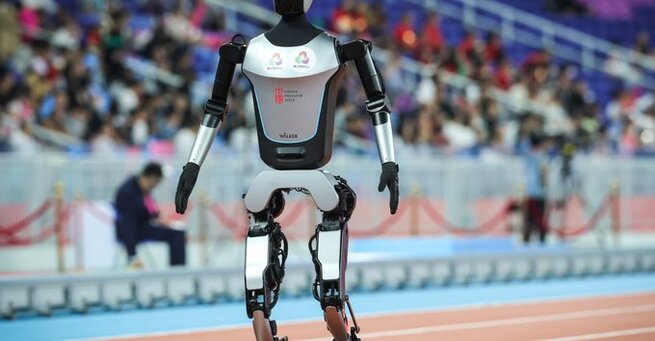
China’s leading economic planning agency has issued a warning about a potential bubble in the country’s humanoid robotics sector. While humanoid robots remain largely experimental, investment continues to surge. Experts and regulators fear that a rush to fund unproven technologies could lead to financial instability and a flood of similar products with little practical application.
At a recent press briefing, Li Chao, spokesperson for the National Development and Reform Commission, emphasized the need to balance “speed of growth against the risk of bubbles.” The sector’s rapid expansion, driven by startups and companies branching in from other industries, has raised alarms about the sustainability of current investments.
China is now home to more than 150 humanoid robotics companies. More than half are startups or entrants from unrelated fields, eager to capitalize on the growing hype. Li warned that such rapid entry without clear use cases could stifle meaningful research and development in the sector.
Despite the buzz, proven applications for humanoid robots remain scarce. Most models focus on novelty, experimental interactions, or corporate showcases. This gap between investment and actual utility is fueling concerns that the sector could face an abrupt correction if commercial viability fails to materialize.
Beijing’s warning represents a rare note of caution for an industry it has hailed as critical to China’s future economic growth. Earlier this year, the government classified embodied intelligence — the core technology behind humanoid robotics — as a national priority, highlighting its strategic importance.
A key concern highlighted by regulators is the potential proliferation of nearly identical models. Li Chao noted that as funding becomes scarcer, many companies may churn out low-differentiation products, creating inefficiencies and inflating the bubble risk even further.
While the humanoid robotics sector in China is vibrant and growing, investors and developers face a delicate balancing act. Sustainable innovation and practical applications will be crucial to avoid the fate of other overhyped industries, such as early-stage AI startups that faltered under similar pressures.
China’s cautionary stance underscores the tension between rapid technological ambition and financial prudence. The next few years will be critical in determining whether humanoid robots can transition from experimental curiosities to commercially viable tools — or if the industry faces a market correction.

2.6K articles

1.4K articles

34 articles

28 articles














Comment