Alerts

-
3 minutes, 12 seconds
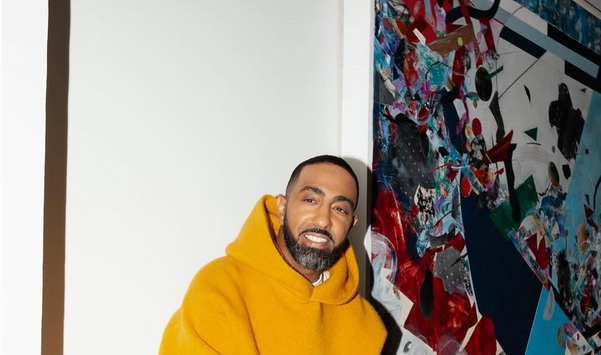
The world of Black art is undergoing a powerful transformation, and much of the change is being driven by Xennials and Zennials. These younger generations are not only collectors and creators—they are building businesses, reimagining cultural spaces, and redefining how art can generate equity and opportunity. By blending entrepreneurship with cultural preservation, Xennials and Zennials are reshaping the business of Black art for the future.
Raised in a family devoted to art and history, Khalil Kinsey has turned legacy into leadership. As COO and chief curator of the Kinsey African American Art & History Collection, he has helped millions of visitors connect with Black artistic heritage. His work with GANGGANG on the BUTTER Fine Art Fair is especially groundbreaking. Unlike traditional art fairs, BUTTER eliminates commissions, ensuring that Black artists take home 100% of sales. Since its launch in 2021, it has generated more than $1 million in sales and welcomed 40,000 attendees, setting a new standard for equity-driven art events.
Another rising force among Xennials and Zennials is Mallory Raven-Ellen Backstrom, the only playwright creating original romantic-fantasy fairy tales for adults on the American stage. Her award-winning play Cephianne’s Reflection blends mythology, shadow work, and cottagecore aesthetics to address trauma and transformation. After years of navigating industry gatekeeping, Backstrom’s win of the L. Arnold Weissberger Award was a breakthrough that underscored her entrepreneurial spirit and resilience. Her career shows how younger Black artists are pushing beyond traditional paths to create new models of artistic independence.
What unites Kinsey, Backstrom, and their peers is more than generational identity—it’s a refusal to accept outdated systems. These Xennial and Zennial leaders in Black art are dismantling gatekeeping structures, prioritizing authenticity, and creating businesses that keep artists at the center. Their innovations are reshaping how art is valued, who benefits from it, and how it contributes to cultural healing and economic growth.
In short, the future of Black art is being built now, and Xennials and Zennials are leading the charge with vision, integrity, and courage. They are proving that when creativity meets entrepreneurship, art doesn’t just tell a story—it reshapes entire industries.










Comment