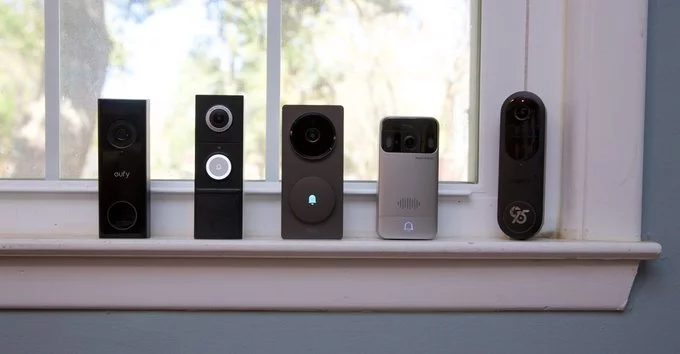
Concern about smart doorbell surveillance has grown rapidly as more homeowners question how their camera footage is stored and shared. Many people searching how to ditch Ring’s surveillance network want to know whether their existing devices can be secured or if switching to a privacy-focused camera is a better option. Smart doorbells provide convenience and security, but cloud-based video systems can also raise questions about data access. Understanding your options helps you protect your home without unintentionally contributing to broader surveillance networks.
Devices from Ring have become one of the most recognizable smart doorbell systems in the world. However, their reliance on cloud processing has sparked debate among privacy advocates and technology experts. When video is stored remotely rather than locally, the service provider technically manages the infrastructure where that footage exists.
Some users worry that video clips may be accessed for advanced features such as AI-based search, event detection, or other automated analysis. Although footage is typically encrypted during transmission and storage, cloud-processing systems still require temporary access to perform these tasks. That has led some homeowners to question how much control they truly have over their recorded footage.
Partnership discussions with security technology companies such as Flock Safety also intensified concerns about large-scale camera networks. Even though some integrations have been reconsidered, the possibility of interconnected surveillance systems has prompted many users to explore alternatives.
Most modern video doorbells operate through cloud services owned by large technology companies such as Amazon, which owns Ring. When motion triggers a camera, the footage is uploaded to remote servers where it can be accessed through mobile apps or AI features.
Cloud storage has benefits. It allows remote access, automatic backups, and powerful features like smart alerts. However, it also means the data is not stored solely inside your home. In certain legal circumstances, service providers can be required to provide stored data through formal requests.
This doesn’t automatically mean surveillance is happening. But for privacy-focused users, even the possibility of external access is enough to reconsider cloud-only systems.
Replacing installed cameras can be inconvenient, especially if they are wired into your home. Fortunately, there are several ways to tighten privacy settings if you decide to keep your existing hardware.
Start by reviewing all privacy controls within the Ring app. Disable optional features that analyze or search video clips automatically. Turning off community video sharing options can also reduce the possibility of footage being shared beyond your personal account.
Another useful step is limiting how long footage remains stored in the cloud. Shorter retention periods reduce the amount of historical data kept on remote servers. For some users, these changes provide enough peace of mind without replacing their entire system.
Homeowners who want full control over their camera footage often choose devices that prioritize local storage. These systems save recordings directly to memory cards, home hubs, or network storage rather than uploading everything to the cloud.
Local storage systems offer a key advantage: only the homeowner controls the footage. Even if the device connects to the internet for notifications, the video files themselves remain inside the home network.
Another privacy-focused option is end-to-end encryption. With this approach, video footage is encrypted before leaving the camera and can only be decrypted on your device. Even the manufacturer cannot view the recordings.
Smart home technology is evolving quickly, and video doorbells remain one of the most popular security upgrades for modern homes. Yet convenience and privacy must be balanced carefully.
For some homeowners, adjusting privacy settings within their existing system will be enough. Others may prefer switching to cameras designed around local storage and encrypted video access.
Ultimately, understanding how your devices handle data gives you the power to choose the security setup that fits your comfort level. Whether you keep your current doorbell or upgrade to a privacy-first alternative, taking control of your camera footage is the most effective way to avoid becoming part of a broader surveillance network.
Access our platform effortlessly on-the-go through our user-friendly mobile apps.






Comment