Alerts

-
5 minutes, 30 seconds
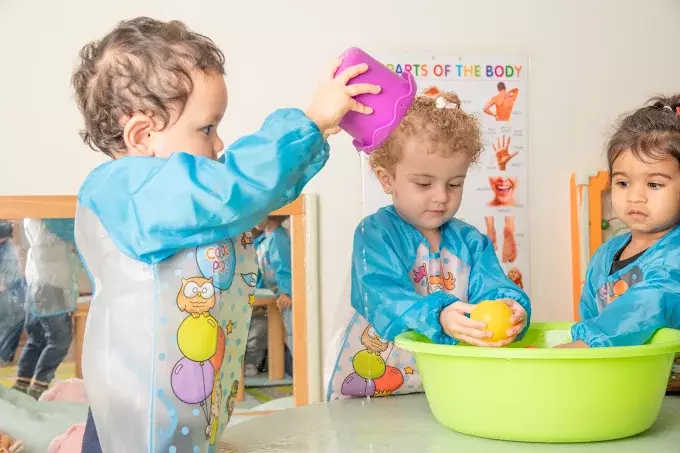
Choosing an early learning environment is one of the first major decisions parents make for their child. The right setting can help young children develop confidence, communication skills, independence, and a genuine interest in learning. With several Dubai Marina nurseries available to families, it is important to look beyond location and consider factors such as curriculum, teaching quality, safety, facilities, and the overall approach to child development.
A nursery should provide more than childcare. It should create a welcoming space where children feel secure, valued, and encouraged to explore the world around them.
Every child develops at a different pace and has a unique personality. Some children quickly adapt to new environments, while others may need additional reassurance and time to feel comfortable.
Before selecting an early education setting, consider:
Your child's age and developmental stage
Their social confidence
Their daily routine
Their interests and learning preferences
The level of support they may need during the transition
A suitable nursery understands these differences and provides an environment where each child can progress at an appropriate pace.
A convenient location can make daily routines easier, especially for working parents. However, proximity should not be the only deciding factor.
Parents should also consider whether the nursery offers:
A safe and stimulating environment
Qualified and caring educators
Age-appropriate learning activities
Clear communication with families
Suitable operating hours
Outdoor or physical activity opportunities
The quality of a child's daily experience is often more important than simply choosing the closest option.
The early years are essential for building the foundations of future learning. A strong curriculum should support children's social, emotional, physical, and intellectual development.
Parents may come across different educational approaches, including play-based learning and internationally recognised early years frameworks. Rather than focusing only on the curriculum name, it is useful to understand how learning happens in practice.
Young children generally learn effectively when they can:
Play and experiment
Ask questions
Interact with others
Explore different materials
Develop language naturally
Solve simple problems
Express their creativity
A balanced programme combines structured experiences with opportunities for independent discovery.
Teachers play a central role in shaping a child's nursery experience. Warm, attentive, and knowledgeable educators can help children feel comfortable while encouraging them to become more confident.
When visiting a nursery, observe how staff interact with children. Consider questions such as:
Do educators speak respectfully and kindly?
Are children encouraged to participate?
Does each child receive attention?
How are behavioural challenges handled?
Are children comfortable approaching their teachers?
Positive relationships between children and educators can make the transition from home to an educational environment much easier.
Parents naturally want to know that their child is spending the day in a secure environment. A professional nursery should have clear procedures for arrival, collection, hygiene, emergencies, and child supervision.
During a visit, ask about:
Visitor and access procedures
Staff supervision
Cleaning routines
Emergency preparedness
Medical and allergy policies
Child collection arrangements
Communication during illness or unexpected situations
The physical environment should also be clean, organised, and designed with young children in mind.
The classroom environment can significantly influence how children engage with learning. Young learners benefit from spaces that allow them to move, explore, create, and interact.
Look for areas that support activities such as:
Reading and storytelling
Creative arts
Building and construction
Role play
Sensory exploration
Music and movement
Early numeracy activities
An engaging environment does not necessarily need to be filled with expensive equipment. What matters most is whether the available resources are purposeful, accessible, and appropriate for the children's age.
Consistency can help children feel secure. A well-planned day usually includes a balance between active and quiet experiences.
Welcome and free play
Group activities
Outdoor or movement sessions
Snack or meal times
Creative activities
Storytelling
Rest periods when appropriate
Independent exploration
Parents should ask how flexible the routine is and how staff support children who may initially struggle with separation or changes in their daily schedule.
Strong communication helps parents stay connected to their child's development. Families should feel comfortable asking questions and sharing important information.
A good nursery may provide updates about:
Daily activities
Developmental progress
Upcoming events
Areas of achievement
Any concerns requiring parental attention
Regular communication creates a partnership between home and the learning environment.
Online research can provide useful information, but visiting in person is one of the best ways to understand the atmosphere.
During a visit, pay attention to the overall environment. Do the children appear engaged? Are the classrooms calm and organised? Are staff approachable?
Prepare a short list of questions before your visit so you can compare different options more easily.
Consider asking:
What learning approach do you follow?
How do you support new children during the settling-in period?
What qualifications and training do staff members have?
How do you communicate with parents?
What safety procedures are in place?
How are individual developmental needs supported?
What does a typical day look like?
How do children spend time outdoors or participate in physical activity?
The answers can provide valuable insight into whether the environment matches your family's expectations.
Starting nursery can be an emotional experience for both children and parents. Preparation can make the process easier.
Talk positively about the new experience and explain what your child can expect. Establish a consistent morning routine and allow extra time during the first few days.
It is also important to say goodbye calmly. Long or repeated farewells can sometimes make separation more difficult.
Children often need time to adjust, so patience and consistency are essential.
Choosing an early learning environment involves much more than comparing fees or travel distance. Parents should consider the quality of teaching, emotional support, safety, learning opportunities, communication, and whether the environment feels suitable for their child.
By visiting different options, asking thoughtful questions, and observing how educators interact with children, families can make a more informed decision. For parents searching online for the best nursery near me, the ideal choice is ultimately one where their child feels safe, happy, supported, and excited to learn each day.





Comment