
-
7 minutes, 39 seconds
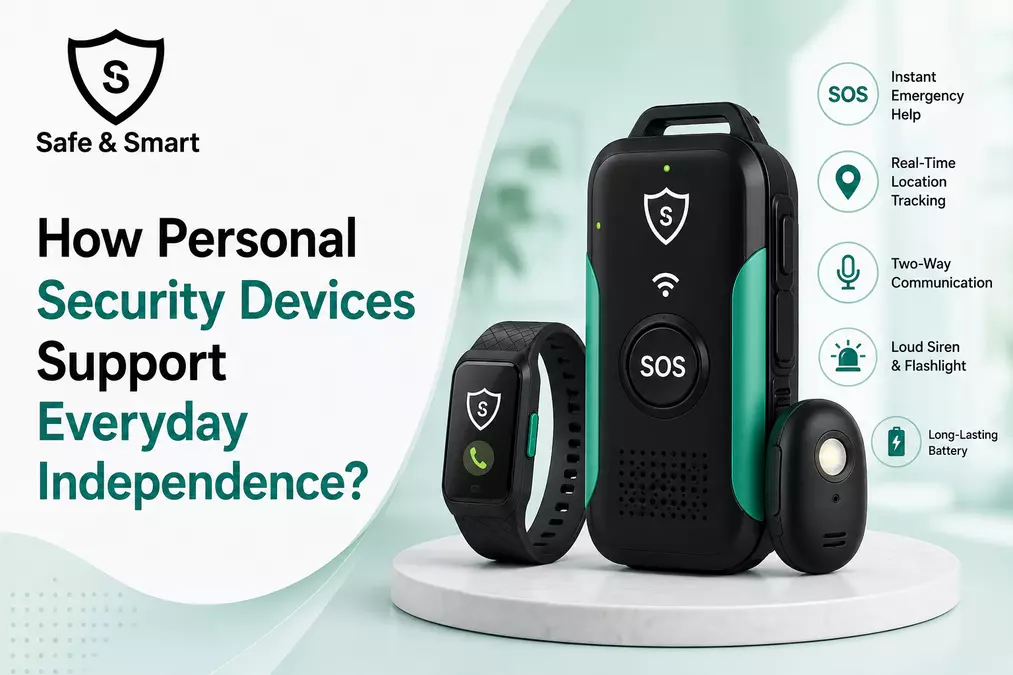
Living independently brings freedom, flexibility, and confidence. Whether someone is commuting to work, traveling alone, managing daily errands, or aging in place, feeling secure plays an important role in maintaining that independence.
Today, safety solutions are no longer viewed as tools reserved for emergencies. They have become practical companions that support everyday activities and help people navigate daily life with greater confidence. Modern technology has made these solutions more accessible, discreet, and effective than ever before.
This guide explores how safety-focused technology supports independent living, the features that matter most, who benefits from these solutions, and how to choose an option that aligns with individual needs and lifestyles.
Personal security devices are tools designed to help individuals stay protected, connected, and prepared in situations where assistance may be needed. These solutions come in many forms, including wearable alarms, GPS-enabled trackers, emergency alert systems, smart accessories, and mobile-connected safety tools.
Unlike traditional security measures that focus primarily on protecting property, these technologies are centered on individual well-being. They enable users to quickly notify family members, caregivers, emergency responders, or trusted contacts when support is required.
Many modern options are lightweight, easy to use, and designed to fit naturally into everyday routines. Their purpose is not to restrict independence but to enhance confidence while allowing people to maintain their preferred lifestyle.
Feeling secure creates the foundation for independent living. When individuals know help is accessible if needed, they are often more willing to participate in daily activities and social interactions.
Encourages confidence when traveling alone or visiting unfamiliar places.
Helps individuals maintain active lifestyles without excessive reliance on others.
Reduces anxiety associated with emergencies or unexpected situations.
Supports older adults who wish to remain self-sufficient for longer periods.
Provides reassurance to family members while respecting personal freedom.
Enables people to engage in work, education, and recreational activities more comfortably.
Promotes peace of mind during daily routines and outdoor activities.
Strengthens the ability to respond quickly when assistance is needed.
Modern safety technology has transformed how people manage risk while maintaining control over their lives. These solutions contribute to independence in several meaningful ways.
Knowing that assistance can be reached quickly allows individuals to participate more freely in everyday tasks. From grocery shopping to exercising outdoors, users often feel more comfortable navigating daily responsibilities independently.
Many people value the ability to move about freely without relying on family members or caregivers. Safety-focused technology supports mobility by providing a reliable way to communicate or request help when necessary.
Independence does not only affect the individual. Family members also benefit from knowing their loved ones have access to support if an emergency occurs. This balance helps preserve personal freedom while reducing unnecessary worry.
Emergencies can happen without warning. Having a readily available alert system can help reduce response times and improve access to assistance, making it easier to address situations before they become more serious.
People are more likely to participate in community events, social gatherings, and recreational activities when they feel protected. Increased engagement can contribute positively to emotional well-being and overall quality of life.
Not all safety solutions offer the same level of protection. Understanding important features can help users select options that provide meaningful support.
Quick-access emergency buttons allow users to notify designated contacts or response services without navigating complex menus. This feature is especially valuable during stressful situations when every second matters.
GPS capabilities can help trusted contacts determine a user's location when assistance is required. Accurate location information can improve response efficiency and provide additional reassurance during travel or outdoor activities.
Effective solutions maintain communication through cellular networks, Wi-Fi, Bluetooth, or other technologies. Reliable connectivity ensures alerts and updates can be transmitted when needed most.
Comfortable designs encourage consistent use. Wearable pendants, wristbands, and compact accessories make it easier for users to integrate safety tools into their daily routines without inconvenience.
Dependable battery performance reduces the risk of interruptions during critical moments. Devices designed for extended use help ensure protection remains available throughout the day.
Simple controls and intuitive functionality improve accessibility for users of different ages and technical skill levels. Straightforward operation can make a significant difference during emergencies.
While these technologies can support almost anyone, certain groups often experience particularly valuable benefits.
Many seniors prefer remaining in their own homes rather than moving into assisted living environments. Safety solutions can provide additional support while helping them maintain autonomy and confidence.
Individuals who frequently travel, commute, or spend time in unfamiliar environments may appreciate having access to tools that help them stay connected and prepared for unexpected situations.
Those managing health conditions may benefit from solutions that enable rapid communication with caregivers, family members, or emergency services when assistance becomes necessary.
Hikers, runners, cyclists, and frequent travelers often spend time in locations where immediate support may not be readily available. Portable safety technology can provide an added layer of preparedness.
People who live independently may value having access to quick communication tools that can be activated during emergencies, providing reassurance and improving personal confidence.
The practical value of safety technology becomes clear when examining common real-world scenarios.
Traveling during early mornings, late evenings, or through unfamiliar areas can sometimes create uncertainty. Having access to emergency communication tools can help users feel more secure throughout their journey.
Outdoor activities often involve periods of isolation. Quick access to assistance can provide reassurance while supporting an active and healthy lifestyle.
Routine activities may seem low risk, but unexpected incidents can occur anywhere. Readily available safety features can help users respond more effectively if assistance becomes necessary.
Whether for business or leisure, solo travel presents unique challenges. Location-sharing capabilities and emergency communication options can provide valuable support throughout a trip.
Many individuals combine safety-focused accessories with practical items such as a secure phone case to improve both device protection and everyday preparedness while on the move.
Selecting the right solution requires evaluating individual needs, routines, and priorities rather than simply choosing the most advanced option available.
Consider where you spend most of your time, the activities you participate in regularly, and the situations where additional support may be beneficial. Lifestyle factors should guide the selection process.
Some users prioritize location tracking, while others focus on emergency alerts or caregiver connectivity. Understanding primary needs can help narrow available options effectively.
A solution is only effective if it is used consistently. Choosing an option with intuitive controls and comfortable design can encourage regular use and improve overall effectiveness.
Review network compatibility, battery performance, and communication capabilities. Dependability is essential when selecting technology intended to provide support during important situations.
The best option should continue meeting needs over time. Consider future requirements, potential lifestyle changes, and ongoing support when making a decision.
Maintaining independence should never mean sacrificing safety. Modern technology allows people to stay active, connected, and confident while continuing to enjoy the freedom of managing their own daily lives.
By understanding available features, identifying personal priorities, and selecting a solution that aligns with individual needs, users can strengthen their sense of security without limiting their independence. Brands such as Safe&SmartOne offer options designed to support this balance between protection and freedom.
They are safety-focused tools designed to help individuals stay connected, request assistance when needed, and improve preparedness during unexpected situations.
They provide access to support and emergency communication, helping individuals perform daily activities with greater confidence and reduced reliance on others.
Yes. Many solutions are specifically designed to support seniors who wish to maintain an independent lifestyle while having access to assistance when necessary.
Some models operate independently through built-in cellular connectivity, while others may require pairing with a mobile application or smartphone.
Important considerations include emergency alert functions, location tracking, reliable connectivity, battery life, ease of use, and overall comfort.
GPS functionality can be valuable because it helps trusted contacts identify a user's location during emergencies, potentially improving response times and overall peace of mind.

7.7K articles

2.5K articles

1.4K articles

34 articles








Comment