
Alerts
-
5 minutes, 57 seconds
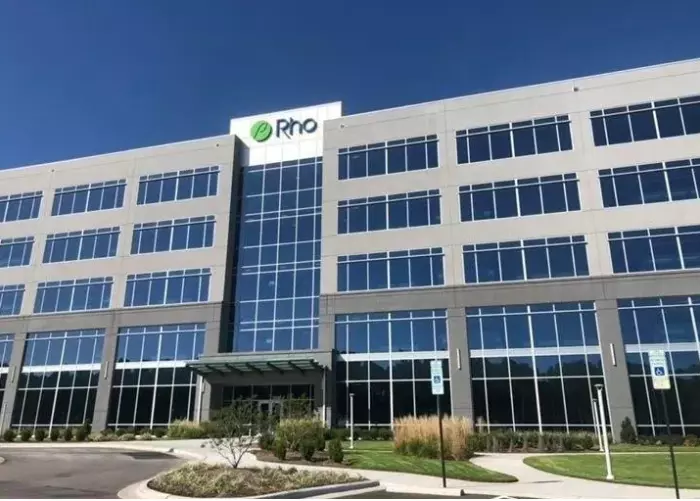
How can companies build teams that perform at a high level without burning out employees? The answer increasingly lies in emotional intelligence (EQ). Organizations are discovering that combining strong support with clear expectations creates a culture where people thrive. One standout example is Rho, Inc., which has scaled its workforce while maintaining a people-first approach. By embedding EQ into leadership practices, the company has redefined productivity, proving that performance and empathy can coexist.
Like many growing companies, Rho, Inc. faced challenges as it expanded beyond its startup roots. Early success was driven by a hands-off philosophy—hire talented people and let them work independently. However, as the organization grew more complex, this approach began to show its limits. Leaders realized that talent alone wasn’t enough without structured support. Employees needed guidance, clarity, and consistent communication to succeed. This shift marked the beginning of a more intentional leadership strategy.
At the core of this transformation is the “Restorative Framework,” inspired by principles of restorative justice. The model emphasizes a simple but powerful idea: leaders must provide both high support and high expectations. When either element is missing, performance suffers. Too little support leads to frustration, while too little accountability results in underperformance. The ideal balance creates an environment where employees feel challenged but also equipped to succeed. This approach turns leadership into a partnership rather than a hierarchy.
The effectiveness of this framework lies in its balance. Employees are more likely to excel when they know what’s expected and feel supported in reaching those goals. This combination builds trust, accountability, and engagement across teams. It also encourages individuals to take ownership of their work without fear of failure. Over time, this leads to stronger collaboration and better outcomes. In a competitive business environment, this balance can become a key differentiator.
To sustain this culture, Rho, Inc. invests heavily in leadership development. Rather than treating leadership as a one-time skill, the company views it as a continuous journey. Structured programs help employees transition into management roles with confidence. These initiatives focus on practical skills like delegation, decision-making, and conflict resolution. They also emphasize the importance of supporting others, not just achieving personal success. This pipeline ensures that leadership quality remains consistent as the company grows.
Beyond first-time managers, advanced leadership programs focus on those managing other leaders. These sessions are highly reflective, encouraging participants to examine their leadership styles and behaviors. Peer discussions and feedback play a central role, creating a safe space for honest conversations. Leaders are challenged to align their professional and personal identities. This deeper level of development helps them navigate complex, real-world situations. It also strengthens the overall leadership culture within the organization.
As younger employees enter the workforce, communication styles and expectations continue to evolve. Emotional intelligence has become essential for bridging these generational differences. Leaders must adapt how they communicate to ensure their message is clearly understood. This goes beyond simply delivering instructions—it requires active listening and empathy. By using EQ, managers can connect with employees on a deeper level. This connection improves engagement, trust, and overall team performance.
One of the biggest insights from this approach is the importance of clear communication. Leaders are responsible not just for what they say, but for how it is received. This requires adjusting tone, language, and delivery based on the audience. When expectations are communicated effectively, employees are more likely to meet them. Miscommunication, on the other hand, can quickly derail performance. Strong communication skills are now a cornerstone of effective leadership.
The success of Rho, Inc. highlights a broader shift in how organizations define leadership. Emotional intelligence is no longer optional—it’s a critical business skill. Companies that invest in both support and accountability are better positioned to succeed in a changing workplace. As teams become more diverse and dynamic, EQ will continue to play a central role. The future of work belongs to leaders who can balance performance with humanity.










Comment