
Alerts
-
4 minutes, 13 seconds
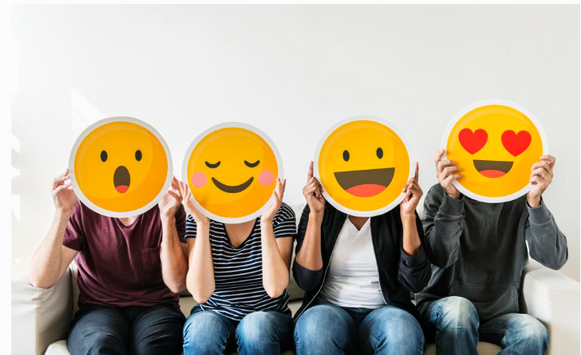
Emoji use at work might seem harmless or even helpful—but not everyone reads those symbols the same way. If you've ever used a thumbs-up to signal "message received" or a clapping emoji to celebrate a win, younger colleagues might have interpreted them very differently. In fact, emoji use at work has become a surprising source of miscommunication across generations. What you see as friendly or affirming might land as cold, passive-aggressive, or even sarcastic. That’s why understanding how emojis are perceived is key to building clearer, more respectful workplace communication.
The shift started when Gen Z professionals began openly sharing how certain emojis—especially the thumbs-up—felt dismissive or passive-aggressive to them. What older generations meant as efficiency or warmth could come across as abrupt or emotionally distant. Other examples include the clapping emoji (which Gen Z often uses for sarcasm), the smiling face (which may seem fake or forced), and the skull emoji (used to express laughter, not doom). This evolving emoji language can result in unclear tone, confusion, and even friction between team members who simply interpret the same icon differently.
Misunderstood emojis can do more than just confuse people—they can create emotional distance. When someone reads an emoji as a subtle jab rather than a supportive nudge, they may start questioning the sender’s tone or intent. In diverse and multigenerational teams, these breakdowns in understanding can undermine trust and connection. That’s why leaders need to treat emoji use at work like any other communication skill—worth talking about, training around, and practicing with intention. Emojis carry emotional weight, especially in remote or digital-first workplaces where tone is harder to interpret.
Start by asking your team how they interpret common emojis. You may find surprising differences. Encourage people to pair emojis with clear text, so the meaning is unmistakable—e.g., don’t just send a ; say “Appreciate you handling this!” alongside it. Managers should also slow down before sending messages, especially when giving feedback or handling sensitive topics. Clear communication builds psychological safety. You don’t need to mimic younger generations’ slang or style—but staying curious about how your tone lands can prevent misunderstandings and improve connection.
You don’t have to abandon your favorite emojis or pretend you're fluent in Gen Z expressions. The goal isn’t to change your language—but to stay open to how others might hear it. Emoji use at work will keep evolving, just like language always has. The key is curiosity: paying attention to how symbols land, adjusting when needed, and being intentional with your tone. That awareness can turn a small icon into a tool for trust, rather than tension—and that’s worth the extra effort.










Comment