


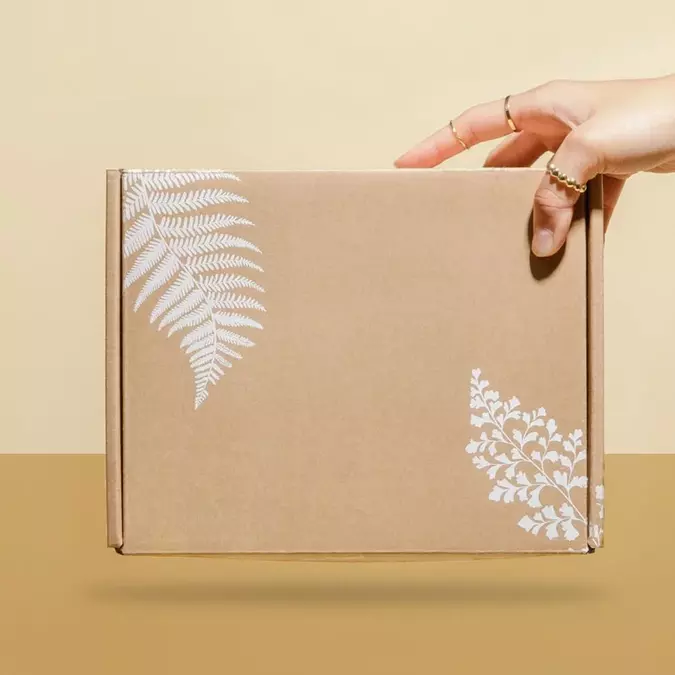
How Corrugated Mailer Boxes Perform in Extreme Weather and Long Distance Shipping Conditions
-
4 minutes, 28 seconds
Corrugated Mailer Boxes outperform every other standard shipping format when packages face extreme heat, humidity, cold, or the physical demands of cross country courier routes. This is not a marketing claim. It is a direct result of how corrugated board is engineered at the material level. For businesses shipping products across the United States or through environments where temperature and moisture fluctuate significantly, understanding how corrugated packaging behaves under these conditions is essential before committing to a packaging specification.
What Happens to Packaging During Long Distance Shipping
A package shipped from a fulfillment center in Arizona to a customer in Minnesota may pass through multiple climate zones, warehouse environments, and courier handling facilities before arriving. Temperature differentials between loading docks, courier vehicles, and warehouse storage areas can expose packaging to condensation. Humidity levels vary significantly across different regions and seasons.
Packages on long distance routes are also handled more times and stacked under more combined weight than those on short local routes. Each of these variables creates stress on the packaging that accumulates over the course of the journey.
Why Corrugated Board Handles These Conditions Better Than Alternatives
The fluted inner core of corrugated board creates an insulating air layer between the two outer liner sheets. This air layer provides a degree of thermal buffering that reduces the rate at which temperature changes affect the interior of the box. While no standard shipping box is a climate controlled environment, this buffering effect means the product inside a corrugated box experiences less extreme temperature fluctuation during transit than one in a single layer cardboard box.
Corrugated Mailer Boxes in USA also resist moisture related structural degradation better than regular cardboard at equivalent board weights because the inner flute layer maintains separation between the liners even when some surface moisture absorption occurs. The box holds its shape longer under humid conditions than a flat single layer material would.
The Specific Risk of Humidity for Uncoated Board
The most significant weather related threat to corrugated packaging integrity is sustained humidity rather than brief moisture exposure. When corrugated board absorbs moisture over an extended period, the glue bonds between the flute and the liner sheets can weaken, reducing the box's compression resistance.
For businesses shipping regularly through high humidity corridors or during summer months, ordering Corrugated Mailer Boxes in Bulk with a moisture resistant exterior coating is a practical specification upgrade. This coating does not waterproof the box but significantly extends the period over which the board maintains its structural integrity when exposed to ambient humidity during transit.
Board Grade Selection for Long Distance Routes
The board grade required for a long distance shipment is typically higher than for a local delivery of the same product. This is because the cumulative handling events, stacking time, and environmental exposure on a long route apply more total stress to the packaging than a short route does.
A standard C flute single wall box that handles a local delivery adequately may show signs of corner compression or surface indentation on a long cross country route. Moving to a BC double wall specification for long distance shipments of the same product provides the additional compression resistance needed to maintain box integrity across the full route.
Temperature Extremes and Adhesive Performance
The adhesive used to bond the flute to the liner sheets in corrugated board has an operating temperature range within which it maintains full bond strength. At extreme cold, below freezing for extended periods, the adhesive can become brittle and the flute bond may weaken. At extreme heat, above roughly ninety degrees Fahrenheit for sustained periods, the adhesive can soften.
Both scenarios are rare in standard courier shipping because packages rarely spend extended time in truly extreme temperatures. However, for businesses shipping to or through regions with exceptional summer heat or winter cold, it is worth discussing adhesive specifications with the supplier when placing orders.
Many businesses working with Custom Mailer Boxes that ship to challenging climate destinations have found that a brief conversation about the destination climate and the product sensitivity leads to a more appropriate box specification than the standard recommendation would produce without that context.
Packaging for Products That Are Themselves Climate Sensitive
Some products are sensitive to temperature or humidity in ways that the packaging must account for beyond just structural integrity. Chocolate that melts, supplements that degrade in heat, or wooden products that warp with moisture all need packaging that addresses the product's specific climate sensitivity, not just the standard structural requirements.
For these products, the corrugated outer box often works in combination with inner materials, such as insulated liners, gel packs, or moisture absorbing sachets, to create a more complete climate management system within the shipment.
Final Thoughts
Corrugated mailer boxes are the most reliable standard shipping format for long distance and variable climate shipping conditions, but the right specification depends on the route, the season, and the product being shipped. Getting the board grade, coating, and adhesive specification right for the actual conditions a shipment will face produces significantly better outcomes than applying a single standard specification to all routes. For businesses that ship regularly across variable climate conditions, working with an experienced supplier like Mailer Boxes Co to match the box specification to the actual shipping environment is one of the most direct ways to reduce damage rates on long distance orders.


Contact Information
Suggested Writers
-

7.6K articles
-

2.5K articles
-

1.3K articles
-

34 articles




Comment