
Alerts
-
3 minutes, 26 seconds
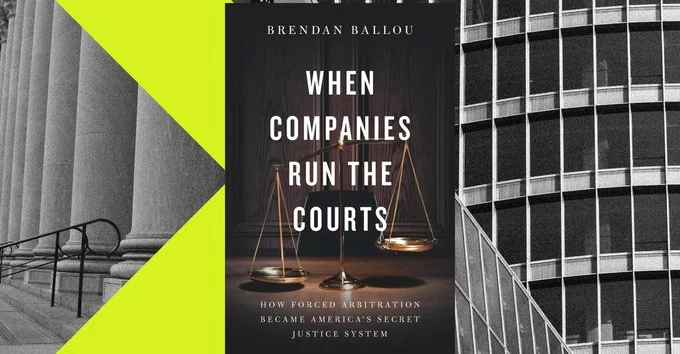
When companies weaponize the terms of service against you, they use legal language hidden in long documents to take away your rights, limit your ability to sue, or change the rules without warning. These agreements often favor the company, leaving you with little control over your data, purchases, or account. In simple terms, terms of service (ToS) are not just boring legal text—they can be a powerful tool used to protect the company at your expense.
Most people never read the terms of service because they are long, full of complex legal jargon, and designed to be ignored. Companies know this. By making ToS confusing and time-consuming, they can include clauses that harm you without you ever knowing. For example, a company might add a clause that lets them delete your account for any reason, or share your data with third parties without asking.
Here are some of the most common ways companies weaponize terms of service against you:
You don’t need to be a lawyer to protect yourself. Look for these red flags when skimming a terms of service agreement:
Consider a popular social media platform that updated its terms to automatically grant itself a license to use your photos for advertising. Many users didn’t notice the change until after it was too late. Another example is a streaming service that raised its subscription price by hiding the increase in a terms update, then automatically charging users who didn’t cancel in time.
You can take simple steps to avoid being trapped by unfair terms of service:
If you’ve already accepted unfair terms, you still have options. First, contact the company and ask to opt out of arbitration. Second, consider using alternative services with better policies. Third, support consumer protection laws that require companies to use plain language and fair terms. Finally, share your experience online to warn others.
Companies weaponize the terms of service against you because they can—and because most people don’t read them. But now that you know the tricks, you can spot them and take action. Always remember: a terms of service is a contract, and you have the power to say no or choose a better option. Stay informed, stay safe, and don’t let hidden clauses catch you off guard.









)
Comment