Alerts

-
5 minutes, 20 seconds
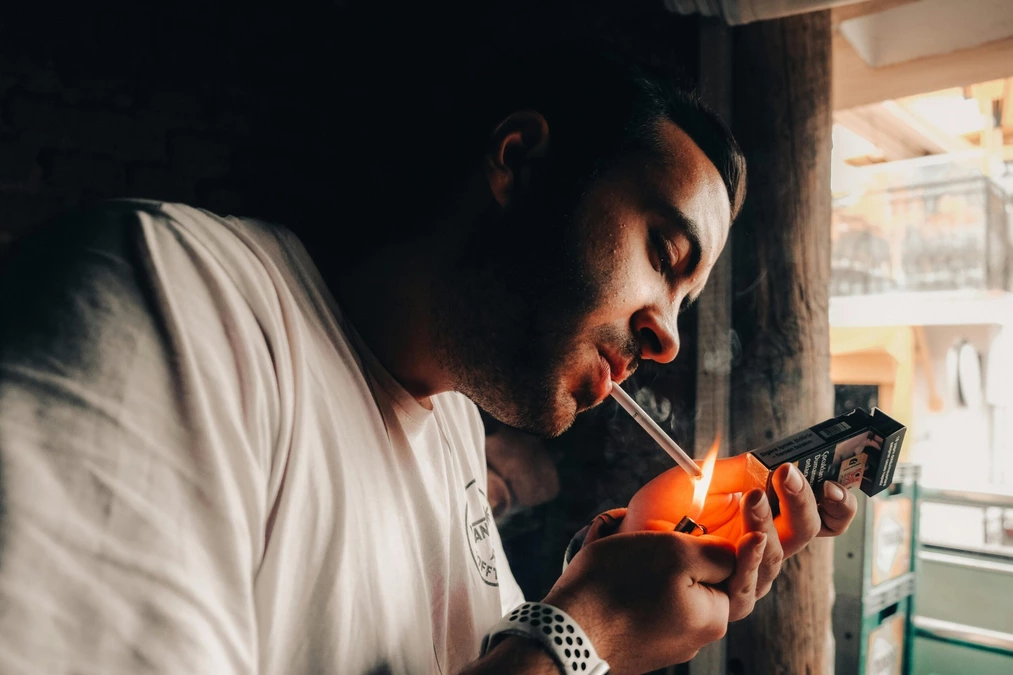
Australia's skyrocketing cigarette prices are creating a growing social equity crisis that disproportionately affects low-income communities, First Nations peoples, and people with disabilities. With legal cigarettes now costing upwards of $55 per pack, many vulnerable smokers face an impossible choice between affording tobacco or meeting basic household needs.
A planned increase in tobacco excise taxes will result in a nearly 7% rise in cigarette costs in Australia, which already has the highest prices for cigarettes among developed nations. The excise jumped by 6.8% on September 1, 2025: the cost of a pack of 20 cigarettes increased from $28.06 to $29, translating to about $1.50 per cigarette. Most packs of 25 cigarettes now cost more than $55, with some premium brands topping $60.
Taxes now account for $28 of the average $40 price of a packet, following a threefold excise hike over 10 years, from 46c to $1.40 per cigarette. Over $1.35 in tax per cigarette, or more than $27 per 20-pack, represents the current excise burden in 2026. A pack-a-day smoker will now spend over $20,000 a year on cigarettes, a staggering figure that puts significant strain on household budgets.
People on low and middle incomes are more likely to smoke than those on high incomes, creating a regressive tax burden where disadvantaged Australians pay a higher percentage of their income for tobacco. In 2010, the year of the first major tax increases, those in the most disadvantaged quintile were 2.3 times as likely to smoke as those in the least disadvantaged areas.
The disparities are stark across different population groups. People in low socio-economic groups have a daily smoking rate of 24.6%, compared to 15.1% for the Australian general population. People experiencing unemployment smoke at 27.6%, people with a mental illness at 32.4%, and sole parents at 36.9%. Aboriginal and Torres Strait Islanders have a smoking rate of 47.7%, while people living with psychosis reach 66%, prisoners 74%, and people experiencing homelessness 77%.
The growing price disparity between legal and illicit tobacco is a key factor increasingly driving consumers towards illicit alternatives. The price of illicit loose-leaf (unbranded) tobacco is only 21.1 per cent of the cost of a legal 25-cigarette packet. A legal pack of 20 cigarettes now costs approximately $40, while black-market alternatives are available for around $15.
Illicit tobacco consumption in Australia continues to grow year on year, in the context of rising excise rates, widening price gaps, and increased accessibility. The increased availability of cheap, unregulated tobacco disproportionately affects lower socioeconomic groups, regional/rural populations and First Nations Peoples, which may contribute to widening health inequity.
Over time, illicit tobacco products have become significantly more affordable for consumers compared to the legal alternatives. This growing price disparity pushes vulnerable smokers toward unregulated products with unknown safety standards, exposing them to potentially more harmful substances.
The most recent figures from the 2022–23 NATSIHS report a prevalence of 34.4% smoking among Aboriginal and Torres Strait Islander peoples, underscoring the urgency to intensify efforts to meet the target of 27% or less by 2030. From 2012–13 and 2018–19, the estimated absolute number of Aboriginal and Torres Strait Islander residents aged 18 years and over who smoke increased by 43,000 people from 168,000 to 211,000.
Approximately 30% of Aboriginal and Torres Strait Islander adults smoke daily, although smoking rates are decreasing as more individuals quit or choose not to start smoking. The National Tobacco Strategy aims to reduce the daily smoking rate among First Nations people to 27% or less by 2030 while achieving a national daily smoking prevalence of less than 10% by 2025.
People with disability on low incomes have much higher levels of smoking than people without disabilities on low incomes. The gap in smoking between people with and without disabilities is widening in low- and middle-income groups. This trend demonstrates how tobacco taxation policies without adequate support for vulnerable populations can exacerbate existing health inequalities.
As a regressive tax, i.e. one for which people on low incomes pay a higher percentage of their income, the tobacco tax is inherently inequitable. This is further amplified by the higher rates of smoking observed in populations with low incomes. Critics argue that steep tobacco taxes disproportionately affect lower-income Australians and fuel an illicit market for cheaper, untaxed tobacco.
Disadvantaged smokers relapse because legal products are unaffordable. It is low-income Australians, the same communities with the highest smoking rates and the least access to cessation tools, who face the greatest burden. Legal cigarettes are unaffordable, safer nicotine alternatives are criminalised, and medicalised access is a bureaucratic obstacle course.
The increased availability of cheap, unregulated tobacco undermines critical tobacco control policy by making tobacco products more affordable, including to young people and people on low incomes, thus reducing the motivational effects of high prices for smoking cessation and reducing government revenue. There is strong evidence for the effectiveness of tobacco taxes on reducing smoking at a population level, both in Australia and internationally, but the equity implications require careful consideration.
Experts warn that a 'prohibition-style' approach to tobacco taxation is doomed to fail without addressing the affordability crisis affecting vulnerable communities. The slow growth and lack of growth in real disposable income mean there has been no improvement in households' ability to afford goods and services, making rising tobacco costs even more burdensome.
For smokers in Perth seeking more affordable cigarette options, various brands are available through online retailers. Cheap Esse cigarettes in Perth provide a lighter smoking experience with smooth taste at competitive prices, making them accessible to budget-conscious smokers who want quality without premium costs. These cigarettes offer mild flavour and great value with fast shipping options throughout Western Australia.
Addressing cigarette affordability as a social equity issue requires balanced policy approaches that include enhanced cessation support for vulnerable communities, culturally safe programs for First Nations peoples, and improved access to evidence-based quitting tools. Without these supports, high tobacco prices risk widening health inequalities rather than reducing them.
For Perth smokers seeking authentic cigarette brands with reliable delivery and competitive pricing, My Cigs Australia offers premium international cigarette brands including Manchester, Mevius, Marlboro, and Double Happiness with fast same-day dispatch and secure payment options. Their Perth service location provides accessible access to quality tobacco products at more affordable prices than many retail outlets, ensuring smokers can access their preferred brands while navigating the challenges of rising tobacco costs across Australia.

8.3K articles

2.7K articles

1.6K articles

34 articles








Comment